
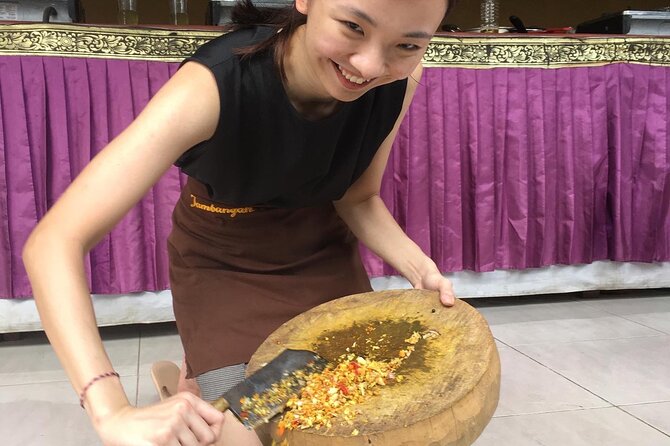
Reviewed · UBUD COOKING CLASSES
Jambangan Bali Cooking Class
In Ubud, this class takes you beyond the restaurant table: you may choose herbs and spices at a traditional market, then cook them in a Balinese family home. I like that the ingredients and techniques are part of the lesson, not just a prelude to eating, and that the visit can include a household offering, coconut oil making, and bamboo music.
I also like the small-group limit of 15 and the chance to share the meal you make in the family’s garden. One point to plan around: the market visit is best suited to a morning class. The market is closed in the evening, so the route may change.
What makes this class worth your time

- Market shopping gives the cooking context: Pick herbs, spices, meat, and vegetables, with a local cook explaining what goes into Balinese dishes.
- You cook in a family home: The class takes place in an open kitchen, with a chance to see the home and learn about family life.
- The meal is part of the lesson: Prepare the recipes yourself, then eat lunch in the garden.
- Culture comes in small, hands-on moments: Make a simple offering, see a household offering, learn about coconut oil processing, and try bamboo rindik music.
- Morning and afternoon plans differ: Morning classes can visit the market; evening classes cannot, since it is closed.
Start with the ingredients, not the menu
A restaurant can show you what Balinese food tastes like. This class helps explain how it gets there. On a morning session, you start at a traditional market and choose ingredients for the recipes you will cook later. That makes the spices and produce feel less like mysterious kitchen scenery and more like practical parts of a meal.
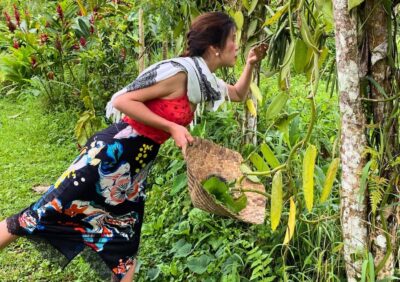
The market is not just a quick photo stop. Your host can point out fresh herbs, spices, cuts of meat, and vegetables, then help connect those ingredients to the dishes. If you enjoy cooking, this is useful context you can take home. If you are simply curious about food, it gives you a closer look at the everyday choices behind a local meal.
The outing may also take you past rice fields, where you can see farmers at work. That is a welcome change of pace from the market and kitchen, and it offers a glimpse of the agricultural setting behind the food. The exact route and timing can vary, so think of the market and rice-field visits as part of the morning experience rather than a rigid sightseeing circuit.
More cooking classes around Ubud:
- Ubud Cooking Class Bali with Balinese Chef
★ 5.0 · 1,609 reviews - Ubud: Cooking Class with Transfers and Optional Market Visit
★ 4.9 · 824 reviews - PRIVATE Authentic Balinese Cooking Class in Ubud at Putu’s Home
★ 5.0 · 644 reviews
A family home becomes the classroom
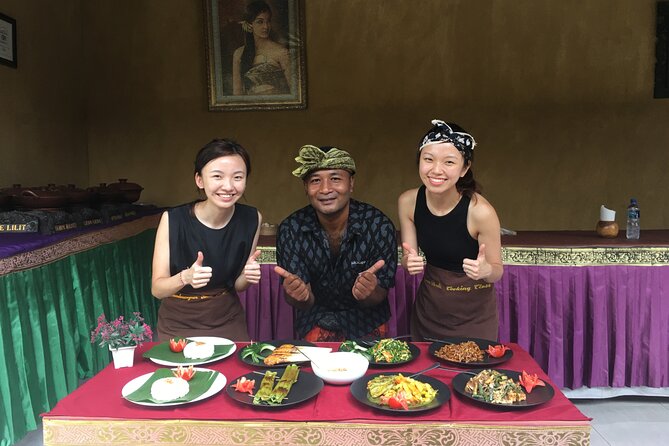
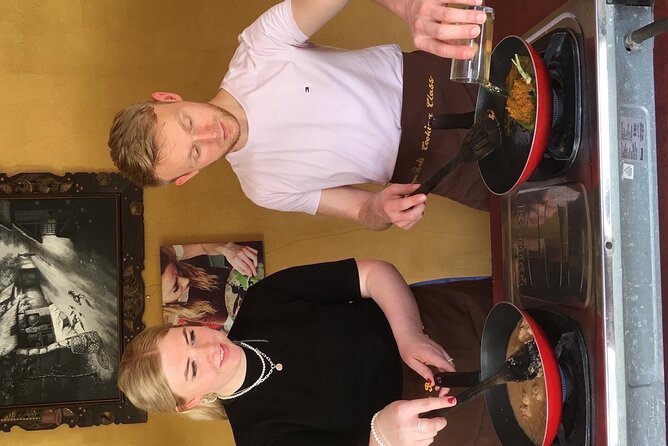
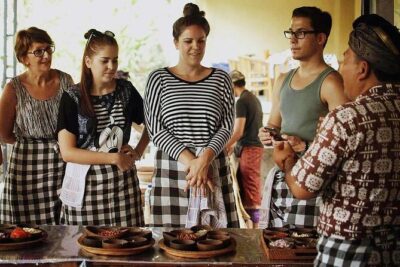
After the market, you are welcomed into a Balinese home, where the cooking class takes place in an open kitchen. The setting matters. Instead of watching a demonstration in a formal studio, you learn in a household space and get a look at family life along the way.
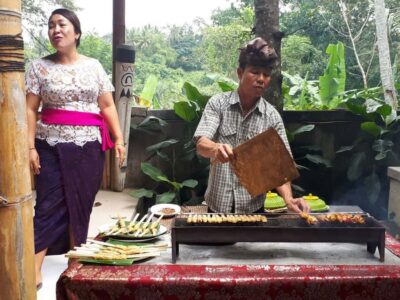
Hosts and cooks include Wayan, Made, and Putu. The classes are conducted in English, and the instructors speak about Balinese cuisine and culture as you cook. Their approach is practical: the recipes are made by you, not simply presented for you to taste. A past class prepared eight dishes, though the exact menu can vary.
The small-group cap of 15 is a plus for a hands-on activity. It keeps the class from becoming a large audience gathered around one stove, though the actual group size may be smaller or may reach that limit. Families and food lovers are both welcome. Children who enjoy helping with ingredients or trying new foods may find plenty to engage with, while adults get a useful introduction to the local kitchen.
Cooking, tasting, and learning as you go
Expect more than a single recipe. The point is to work through a set of Balinese dishes, handle the ingredients, and learn how they come together. Some participants have found the recipes easy to try again at home, and one class provided copies of its recipes. Since that may not be guaranteed for every session, ask your host if having written recipes is important to you.
The best part is the shift from watching to doing. You are not only told what an ingredient is; you use it in the meal. That can make even familiar cooking steps more interesting, especially when the ingredients are new to you or the combinations differ from what you normally make.
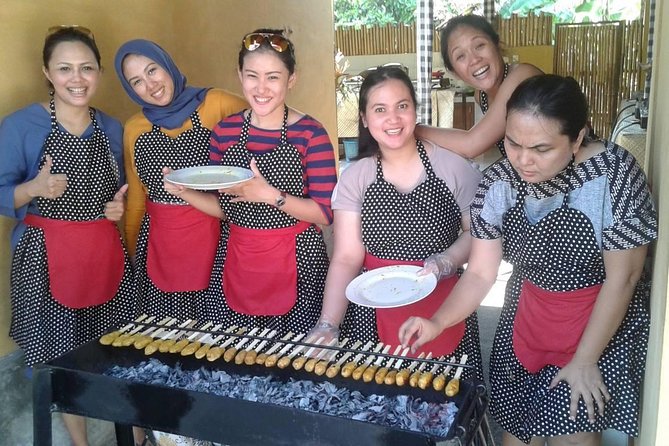
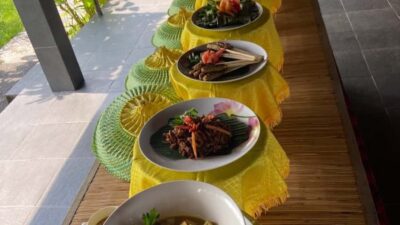
Once the cooking is done, you eat the food you prepared in the garden. Lunch is included in the stated price, which makes the experience feel like a complete half-day activity rather than a lesson that ends just as you are getting hungry. Alcohol is not included, so do not count on drinks beyond what is otherwise provided.
Small cultural activities with a personal feel
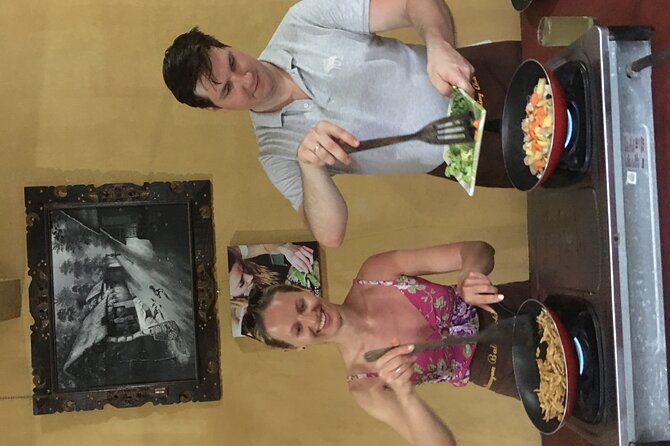
Cooking is the main event, but the home visit adds several cultural details that help the day feel grounded in local life. You may see the household’s daily Hindu offering and learn how to make a simple offering yourself. It is a brief, personal activity, not a full religious ceremony, and it offers a respectful look at a practice woven into daily routines.
The class can also include a look at traditional coconut oil processing. This gives you a sense of how a familiar ingredient can be made at home, rather than appearing as a finished product on a shop shelf. Another activity is rindik, Balinese music played on bamboo instruments. You may get to try playing it, making this a pleasant change from the kitchen work.
These activities are not a substitute for a dedicated cultural tour, and they are not the reason to book if your only interest is music or religious practice. Their value is that they happen in the home setting, alongside cooking, and give you more than a recipe lesson in a borrowed venue.
More hands-on workshops around Ubud:
- Hands-On Silver Jewelry Making Near Ubud’s Monkey Forest
★ 4.9 · 1,789 reviews - Ubud Silver Class Jewelry making in bali
★ 5.0 · 978 reviews - Canggu: Bali Turtle Silver & Gold Workshop
★ 4.9 · 643 reviews - Ubud: Balinese Cooking Class and Market Tour
★ 4.8 · 531 reviews
Choose your class time with care
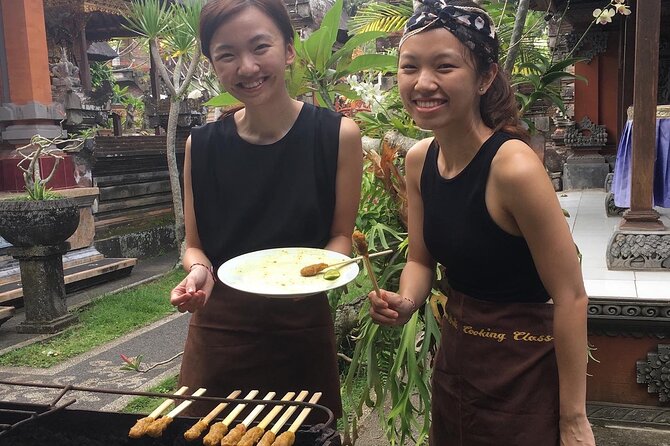
The experience offers a choice of lunch or dinner class, but the timing affects what you see. An early start is the sensible choice if the market is a priority. Market visits are part of the morning plan, while the evening market is closed.
An evening class can still offer a good cooking and home visit, but do not assume it will include market shopping. An alternate outing may be arranged instead. One evening itinerary included a small plantation visit with samples of coffee and tea, while some afternoon classes have included a coffee plantation and family rice fields. Those stops are not guaranteed, so confirm the day’s plan if they matter to you.
The overall experience lasts about five hours. That is enough time for a market visit, a home visit, the cooking lesson, and the meal, but it does take a sizeable part of your day. I would avoid scheduling another fixed activity immediately afterward, particularly if you want time to enjoy the meal and ask questions without rushing.
Is $34 good value?
At about $34, this is a strong value if you want more than a meal out. The price includes lunch and a roughly five-hour activity with a market visit on the morning option, a cooking lesson, and cultural activities at a family home. You are paying for time with local hosts and practical participation, not just a menu tasting.
The value is less clear if you are looking only for a short cooking demonstration or a guaranteed market trip at any hour. The market stop depends on choosing a suitable time, and the dinner option has a different shape. Alcohol is excluded, and the exact dishes and any alternate stops may vary.
For a food-minded visitor, the combination is appealing: you see ingredients, prepare the dishes, and eat the result in the same setting. For families, it offers several kinds of activity in one outing, though children’s specific participation arrangements are not stated. The maximum group size is 15, which keeps the experience relatively contained without promising a private lesson.
Meeting point and practical details
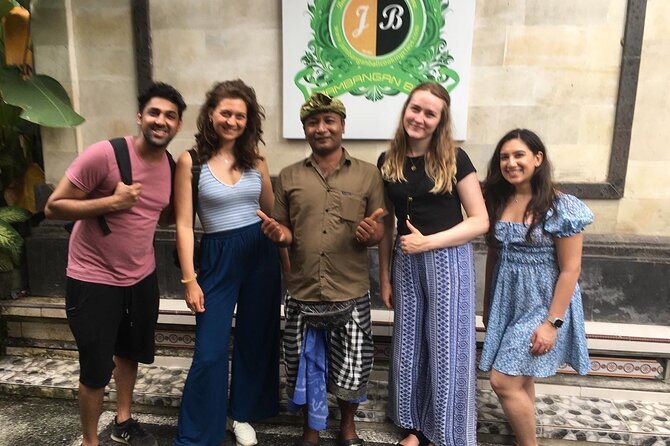
The meeting point is Warung JB Jambangan Bali, at Jln Kelabang Moding No. 713, Tegallalang, Ubud, Bali. The activity ends back at the meeting point. The location is near public transportation, but specific transport arrangements are not included in the details, so plan your route rather than assuming a hotel pickup.
Confirmation is provided at booking, and the activity requires good weather. If poor weather forces a cancellation, you are offered another date or a full refund. You can cancel for a full refund up to 24 hours before the start time. Changes or cancellations made less than 24 hours beforehand are not accepted for a refund.
If you have a food allergy or dietary need, contact the provider before booking and ask what can be accommodated. One class adapted a dish for someone allergic to chicken, but that does not guarantee every request can be met.
Should you book the Jambangan Bali Cooking Class?
Book it if you want a hands-on introduction to Balinese food and are curious about daily life in a local home. The strongest version of the day is the morning class: you shop for ingredients, visit the home, cook, and sit down to lunch. The offering, coconut oil, and rindik activities add cultural texture without pulling the focus away from food.
Consider another option if you need a brief activity, want a guaranteed market visit in the evening, or prefer a class with a fixed menu and schedule. For most food lovers, though, this is a thoughtful way to spend half a day in Ubud. Choose the morning if the market matters, arrive ready to take part, and leave room to enjoy the meal you helped make.
FAQ
How long does the cooking class take?
The activity lasts about five hours.
How much does it cost?
The listed price is $34.
Is lunch included?
Yes. Lunch is included, and you eat the food prepared during the class.
Can I choose a lunch or dinner class?
Yes. You can choose between a lunch or dinner class.
Does every class visit a local market?
No. The market visit is suited to a morning class. The market is closed in the evening, so the plan may change.
Where does the class meet?
It meets at Warung JB Jambangan Bali, Jln Kelabang Moding No. 713, Tegallalang, Ubud, Bali.
Where does the activity end?
It ends back at the meeting point.
How many people can join?
The activity has a maximum group size of 15.
Is alcohol included?
No. Alcohol is not included.
Fresh listings around Ubud
- Tour the island of Bali with expert tour guides in Spanish.★ 5.0 · 7 reviews
- Tour full day ubud, water fall,coffe atv,and rice paddy★ 5.0 · 6 reviews
- The Authentic Balinese Cooking Experience★ 5.0 · 4 reviews
- Sunrise Café and Morning Yoga Class★ 5.0 · 5 reviews
- Private Ubud Tour With Professional Photographer with Edit★ 5.0 · 53 reviews
- Quad Bike Bali With Tunnel & Waterfall Tour★ 4.2 · 8 reviews
- Private Ubud Tour: Sacred Monkeys, Coffee, Temple, Waterfall★ 4.8 · 3 reviews
- Private Silver jewelry Making Class With Master★ 5.0 · 3 reviews
Ubud Cooking Classes, compared.
Cooking Class with Transfers and Optional Market Visit
Read our review →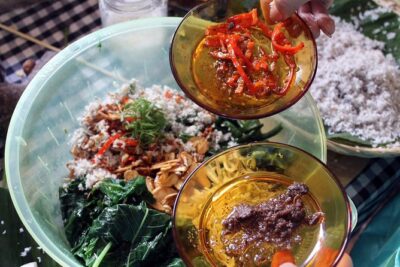
PRIVATE Authentic Balinese Cooking Class in Ubud at Putu’s Home
Read our review →
Balinese Ubud cooking school (9 Dish Cooking and Market Tour)
Read our review →
Browse the lists this tour appears in