
Reviewed · UBUD COOKING CLASSES
Ubud: Balinese Cooking Class and Market Tour
Balinese food makes more sense when you see its ingredients before they reach the cooking table. This four-hour class pairs a hands-on lesson in nine dishes with either a morning market and rice-field visit or, in the afternoon, a lesson in making a canang offering.
I like two things in particular: you prepare a wide range of dishes yourself, then share the meal as a group; and the morning route connects the food to local market life and rice cultivation. The group is capped at 14, so there is room for guidance without turning the class into a private lesson.
The main consideration is your choice of session. Only the morning class includes the market and rice paddies; the afternoon version has offering-making instead. If market life is your priority, check the start time before booking, and be ready for a real local market rather than a polished food hall.
- Nine dishes make this more than a quick demonstration: You take part in preparing sauces, mains and dessert, then eat the results.
- The morning route puts ingredients in context: A guide introduces market produce and local fruit, with a rice-paddy visit included.
- Afternoon has a different cultural focus: You make a canang offering before cooking and sharing dinner.
- The class takes place in a family compound: The setting gives the lesson a local feel, rather than a restaurant-kitchen atmosphere.
- Ubud pickup is included: If you are staying beyond the free shuttle area, you can meet at Ubud Palace or go directly to the class.
- At $23, the meal is part of the value: You get a four-hour activity, instruction, transport in Ubud and a substantial meal from your own work.
Nine dishes, then a meal you made yourself
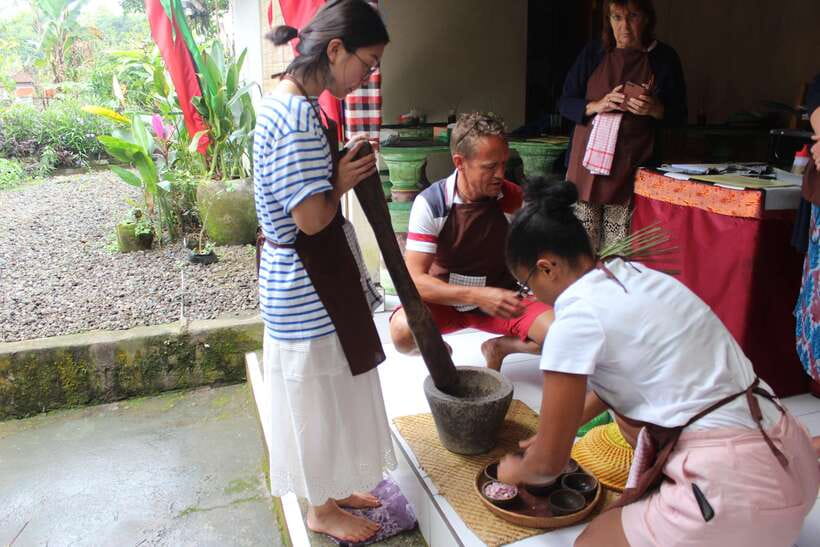
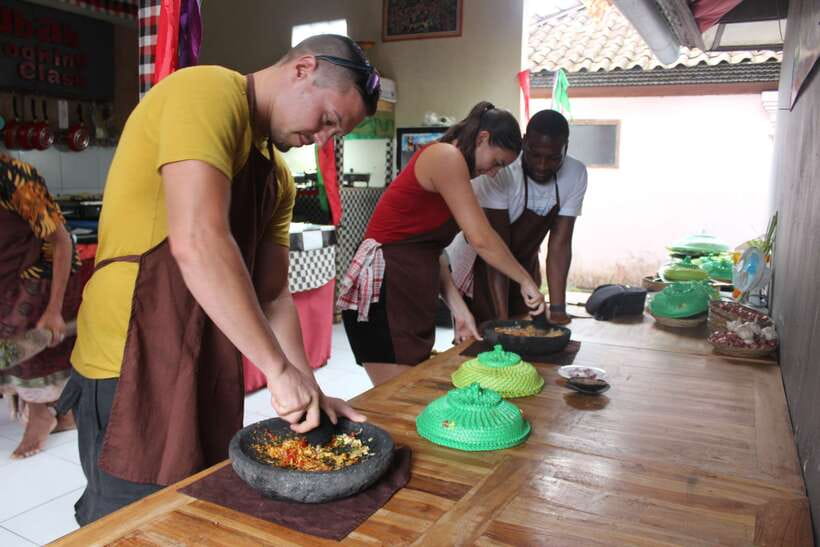
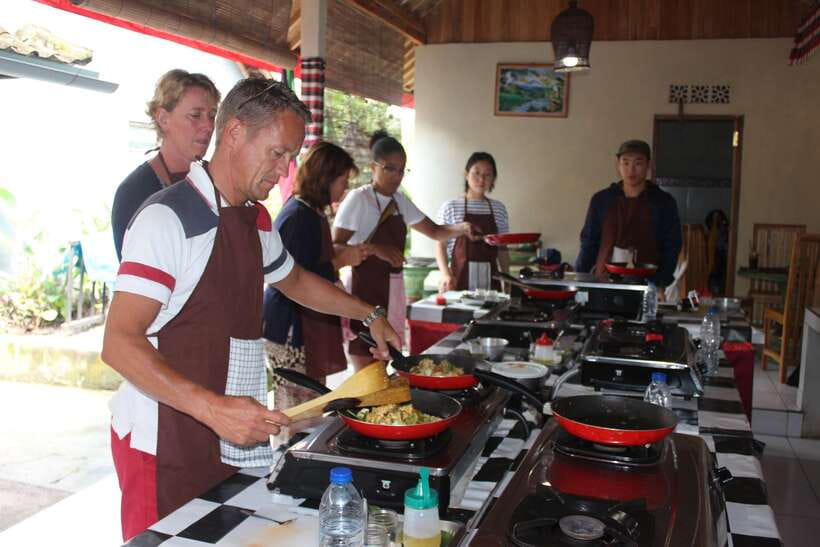
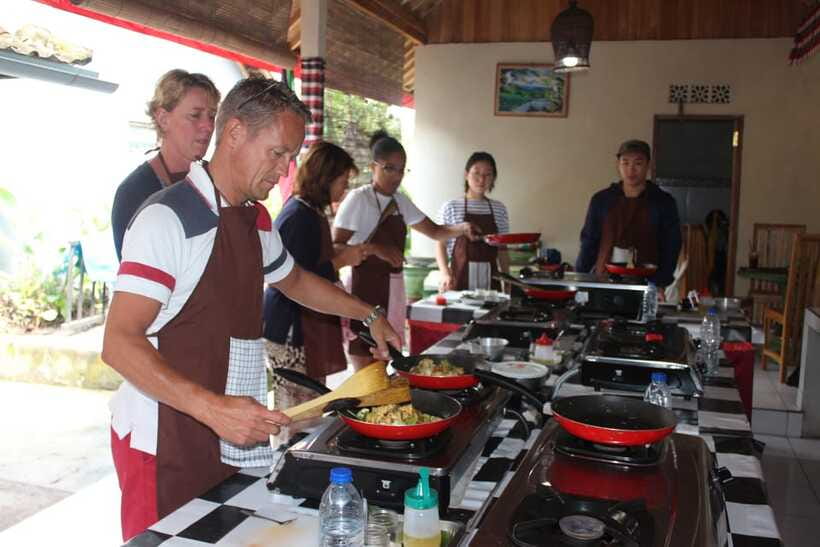
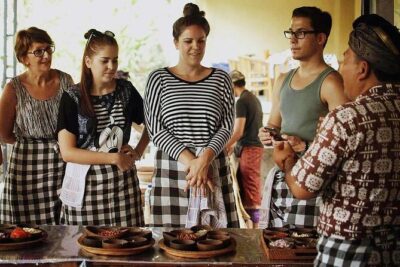
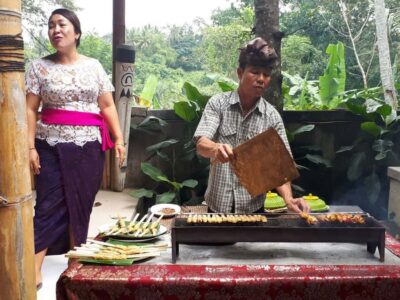
The heart of this class is the cooking. A Balinese chef guides you through the preparation of nine signature dishes, with a mix of sauces, main courses and dessert. You do not just watch someone cook and take notes. You handle ingredients and help make the meal, with the instructor and staff there to keep the work on track.
That balance matters. A class can become stressful if everyone is expected to master unfamiliar techniques at once, or feel dull if the instructor does all the work. Here, the format is hands-on but supported. You can try each task without worrying that a mistake will spoil dinner.
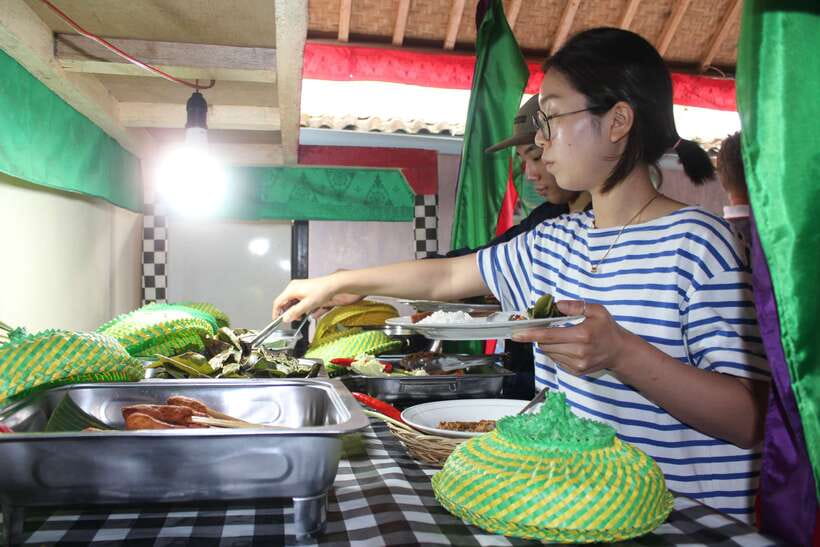
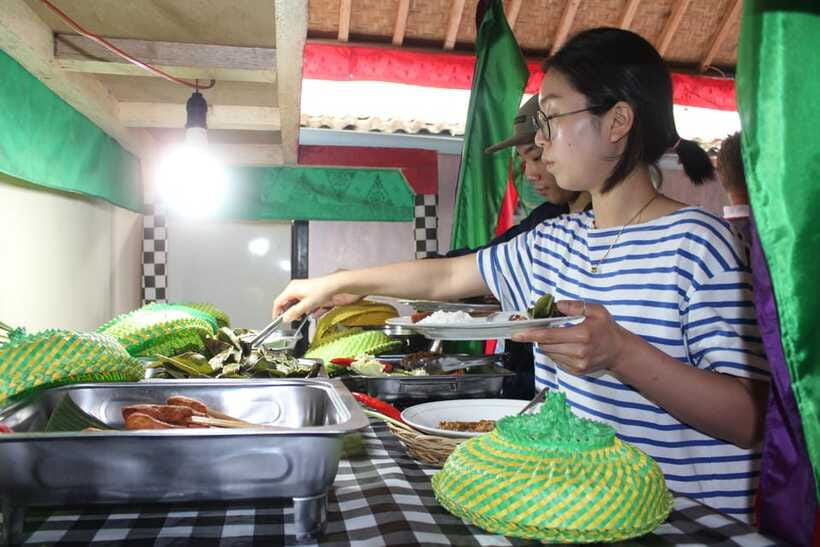
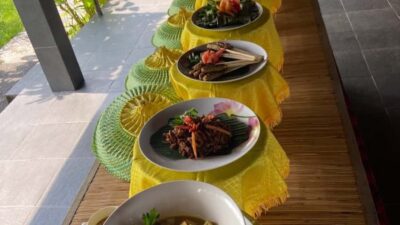
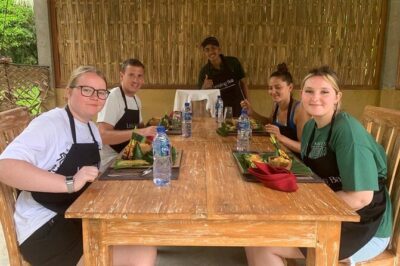
The dishes are prepared as a group and brought together for a shared meal at the end. Expect plenty of food: nine recipes make for a substantial lunch or dinner, not a small tasting plate. That is one reason the class works well for people who want to leave with practical cooking ideas, as well as a pleasant afternoon or morning.
You receive a PDF copy of the recipes, so the lesson can continue at home. The recipes are intended to be made again for lunch or dinner, and the class gives you a chance to ask questions while preparing them. Ingredients at home may not match what you saw in Bali, but having the recipes is a useful starting point.
The morning market puts food in context
Choose the morning session if you want to see where some of the cooking ingredients come from. A local guide takes you through a traditional market, explaining what is sold and how people buy and sell produce. Fruit tasting is part of the visit, and the guide may point out unfamiliar fruits, vegetables and items used in Hindu offerings.
This stop is more about observing everyday food culture than browsing a tidy row of tourist stalls. A local market can be close-packed, with dirt floors, flies and the practical mess of fresh food being handled. If you prefer spotless displays and quiet aisles, this may not be your favorite stop. If you are curious about ordinary market life, those details are part of what makes it useful.
The guide helps make unfamiliar produce easier to understand. Some guides, including Putu, have explained fruits by comparing them with more familiar varieties and adding cultural or cooking context. You may also get to taste local fruit and small treats along the way. The precise route and guide can vary, but the goal is to introduce ingredients and market customs before you start cooking.
The market is not necessarily in central Ubud. One route has taken participants to a local market outside town, so allow for a drive as part of the morning. That trip is not wasted time: it gives you a look beyond the central streets and helps connect the cooking class with the places where people shop.
More cooking classes around Ubud:
- Ubud Cooking Class Bali with Balinese Chef
★ 5.0 · 1,609 reviews - Ubud: Cooking Class with Transfers and Optional Market Visit
★ 4.9 · 824 reviews - PRIVATE Authentic Balinese Cooking Class in Ubud at Putu’s Home
★ 5.0 · 644 reviews
Rice paddies add a second morning stop
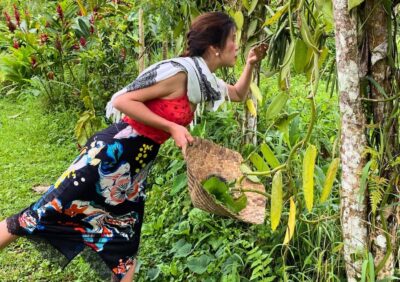
The morning option also includes a visit to rice paddies. Rice is central to Balinese food and daily life, so this stop adds useful context to a menu built around local cooking. Guides have explained the importance of rice and, in some cases, drawn on their own experience with rice fields.
Treat this as a short visit and introduction, not a full agricultural tour. The useful part is the connection: you see a familiar staple in its local setting, then move on to prepare food that depends on ingredients rooted in Balinese life. If the market and rice fields are important to you, the morning schedule is the clear choice.
The afternoon class does not include either stop. That is not a lesser version so much as a different program. It stays focused on the cooking lesson and adds the making of a canang offering, followed by dinner.
Afternoon class: make a canang offering
The afternoon session includes instruction in making a canang offering, a traditional Balinese offering arrangement. This gives the class a cultural activity beyond food, while keeping the schedule centered on the cooking and shared meal.
It is a practical choice if mornings do not suit you, or if you would rather spend your time at the class than travel to a market. Just do not book the afternoon expecting fruit tasting or rice paddies. Those are specifically part of the morning option.
The class is held in a family compound, which helps the cooking lesson feel connected to local home life. You are not simply following a menu in a commercial kitchen. The setting and the presence of a local host give the dishes a human context, though the exact structure and guide may differ by session.
Friendly instruction in a small group
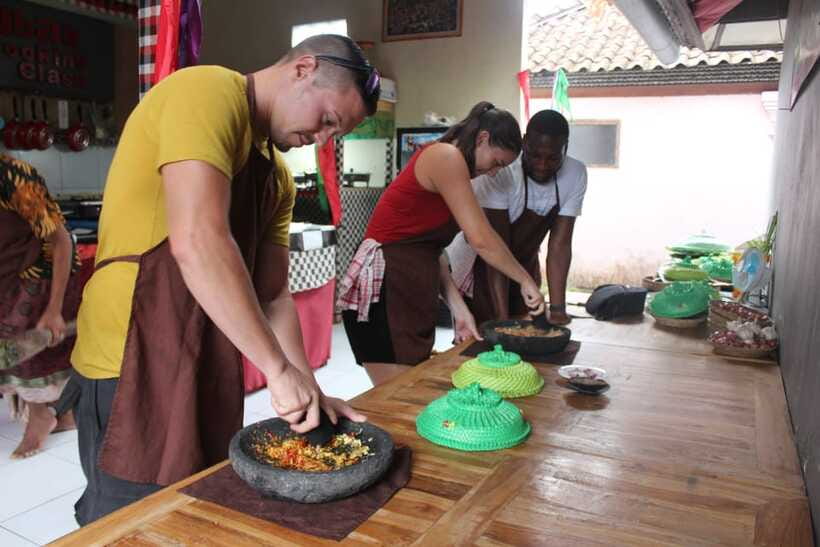
The class is limited to 14 participants. That is small enough for an instructor to guide the group through the recipes, while still giving the lesson a social feel. Some sessions may be much smaller; one group, for example, had only four people. Group size can vary, so do not count on a nearly private class, but the stated cap is modest.
Several instructors and guides have been named by people who took the class, including Putu, Wayan, Tata and Butu. Names and roles can vary by date. The common thread is a guided, step-by-step lesson, with a friendly team helping participants work together and explaining the food.
The format suits beginners. You do not need to arrive with cooking experience, and the class is designed to involve the group without putting pressure on you to get every step perfect. If you have food allergies or need a non-spicy meal, let the provider know before the class. Some adjustments have been made for dietary needs, including vegetarian and vegan options, but you should confirm what can be accommodated for your date.
More market visits around Ubud:
- Balinese Ubud cooking school (9 Dish Cooking and Market Tour)
★ 5.0 · 540 reviews - Balinese Cooking class with traditional morning market visit
★ 5.0 · 161 reviews - PRIVATE Ubud Market Tour & Balinese Cooking Class with Putu
★ 5.0 · 125 reviews - Ubud Traditional Night Market Food Tour-All Inclusive
★ 4.4 · 95 reviews
What $23 buys you
At $23 per person, this is strong value if you make use of the full program. The price includes a four-hour activity, a guide, preparation of nine dishes, a welcome drink, and the meal you cook. Morning participants also get the market visit and rice-paddy stop; afternoon participants make a canang offering instead. A PDF of the recipes is included.
Ubud-area hotel pickup and drop-off are included, which saves you arranging transport to the class. Pickup is limited to the Ubud area. If you are staying elsewhere, you can meet the shuttle at the front of Ubud Palace or travel directly to the class; pickup and drop-off outside Ubud are not included.
The value is not only the quantity of food. You get a look at ingredients and food customs, a guided class and an opportunity to repeat the recipes later. If you only want a short cooking demonstration, four hours may feel long. If you like to learn by doing and want a generous meal at the end, the time is easier to justify.
Practical details before you choose
The activity lasts four hours, but starting times depend on availability. Check the actual session time and make sure you select morning if the market and rice fields matter to you. The afternoon session includes offering-making instead.
Bring a camera if you want photos, and cash for any personal spending. Headphones are also listed among the suggested items, though no particular use for them is specified. The class is not suitable for children under six or for wheelchair users.
The English-language tour is a small-group activity with a maximum of 14 participants. You can cancel up to 24 hours in advance for a full refund, and the reserve-now, pay-later option lets you hold a place without paying immediately.
Should you book this Ubud cooking class?
I would choose this class if you want to do more than watch someone prepare Balinese food. The strongest reasons to book are the nine-dish, hands-on format, the meal you share afterward and the chance to connect cooking with local ingredients. At this price, the included Ubud transport and meal make it especially appealing.
Choose the morning session if market life and rice cultivation are part of what you want to see. Choose the afternoon if you prefer a later start and would like to make a canang offering. Skip it if you need a wheelchair-accessible activity, are bringing a child under six, or want a very short lesson. For most curious eaters who enjoy cooking with a group, it is a practical, good-value way to spend four hours in Ubud.
FAQ
How long is the cooking class?
The activity lasts four hours. Starting times depend on availability.
How many dishes will I make?
You will prepare nine Balinese signature dishes with the chef and group.
Does every session include a market visit?
No. The traditional market visit is included only with the morning class.
Does every session include a rice-paddy visit?
No. The rice-paddy visit is included only with the morning option.
What happens in the afternoon class?
The afternoon class includes making a canang offering, followed by the cooking class and dinner.
Is hotel pickup included?
Pickup and drop-off are included in the Ubud area. They are not included outside Ubud.
What if I am staying outside Ubud?
You can meet the shuttle at the front of Ubud Palace or go directly to the class.
What language is the tour in?
The live guide speaks English.
Are dietary options available?
Vegetarian, vegan and non-spicy adjustments have been made for some participants. Contact the provider to confirm what is possible for your class.
Can I bring a child or use a wheelchair?
The activity is not suitable for children under six or for wheelchair users.
More hands-on workshops around Ubud
- Hands-On Silver Jewelry Making Near Ubud’s Monkey Forest
★ 4.9 · 1,789 reviews - Ubud Silver Class Jewelry making in bali
★ 5.0 · 978 reviews - Canggu: Bali Turtle Silver & Gold Workshop
★ 4.9 · 643 reviews - Balinese Farm Cooking Class by Pemulan Bali
★ 5.0 · 410 reviews
More shopping tours around Ubud
- Jambangan bali cooking class with morning market tour
★ 5.0 · 35 reviews - Ubud City Tour I: Monkey Forest, Ubud Palace, Art Market, and Waterfall
★ 5.0 · 31 reviews - Ubud City Tour II: Monkey Forest, Palace, Art Market, and Rice Terrace
★ 4.5 · 17 reviews - Bali – Ubud Night Market Food Tour
★ 3.8 · 14 reviews
Fresh listings around Ubud
- Tour the island of Bali with expert tour guides in Spanish.★ 5.0 · 7 reviews
- Tour full day ubud, water fall,coffe atv,and rice paddy★ 5.0 · 6 reviews
- The Authentic Balinese Cooking Experience★ 5.0 · 4 reviews
- Sunrise Café and Morning Yoga Class★ 5.0 · 5 reviews
- Private Ubud Tour With Professional Photographer with Edit★ 5.0 · 53 reviews
- Quad Bike Bali With Tunnel & Waterfall Tour★ 4.2 · 8 reviews
- Private Ubud Tour: Sacred Monkeys, Coffee, Temple, Waterfall★ 4.8 · 3 reviews
- Private Silver jewelry Making Class With Master★ 5.0 · 3 reviews
Ubud Cooking Classes, compared.
Cooking Class with Transfers and Optional Market Visit
Read our review →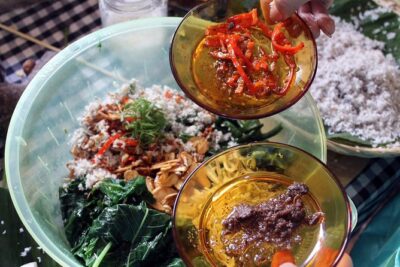
PRIVATE Authentic Balinese Cooking Class in Ubud at Putu’s Home
Read our review →
Balinese Ubud cooking school (9 Dish Cooking and Market Tour)
Read our review →
Browse the lists this tour appears in