
Reviewed · BALI WATER PURIFICATION CEREMONIES
Bali: Balinese Spiritual Journey with purification ceremony.
Tirta Empul is the heart of this day: you can join a Balinese purification ritual at a working holy-water temple, then set that experience in context with visits to Goa Gajah and Gunung Kawi. The route makes room for both striking sacred sites and practical conversation about local beliefs.
I like two things in particular: the private format, which lets you ask questions and adjust your pace, and the guides’ personal touch. Guides such as Wayan Agus and Pande have helped visitors understand temple customs, and some will take photos so you can focus on the ceremony.
One consideration matters before you book: women who are menstruating may not be permitted to enter certain temples. Also check which ticket option you choose, since entrance fees are included only with the all-inclusive option.
What makes this day worthwhile
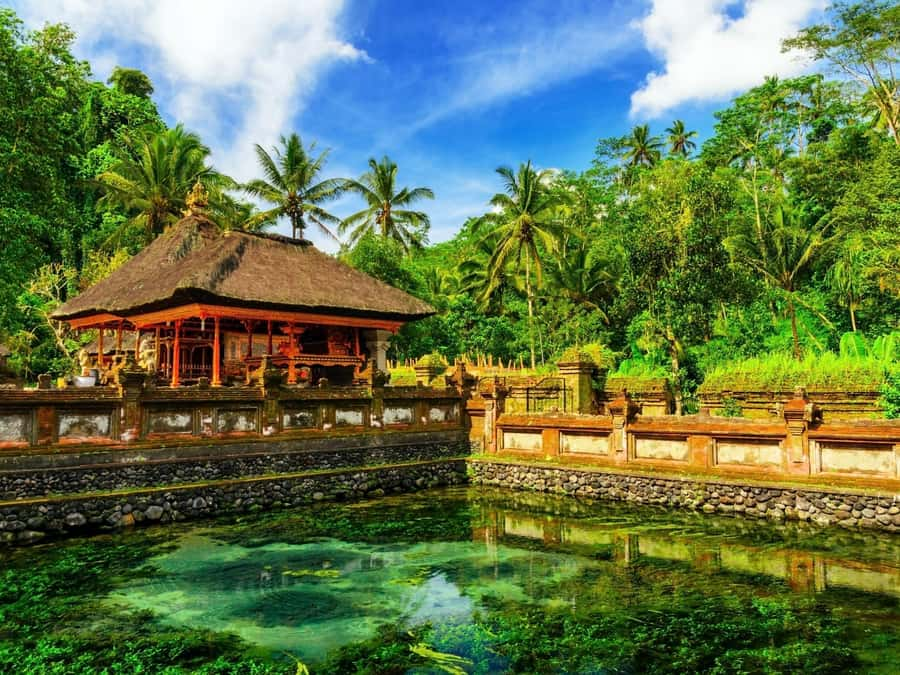
- Tirta Empul’s purification ritual gives you the chance to take part in a living religious practice, not just look around a temple.
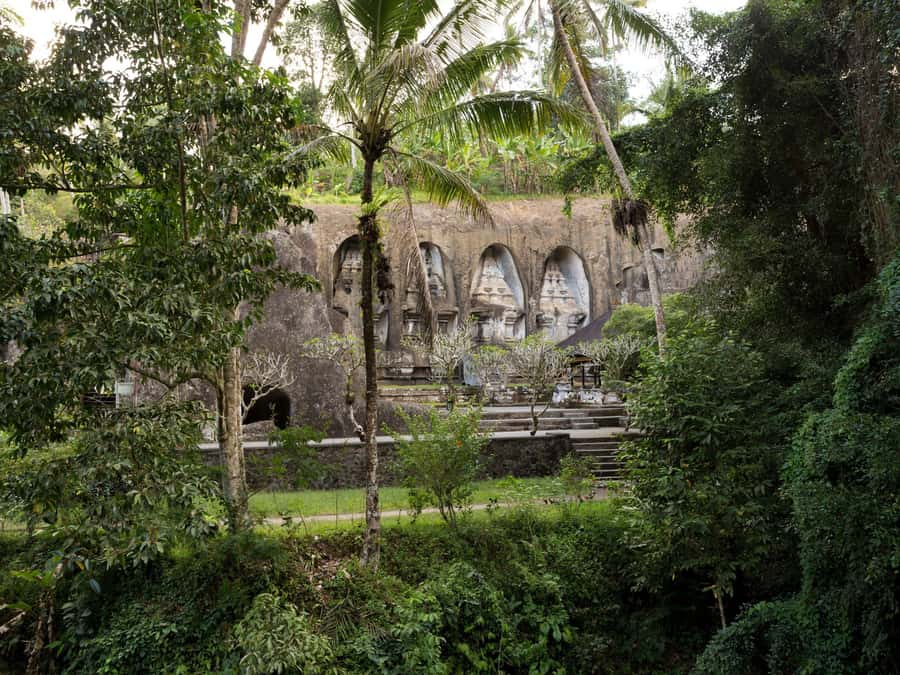
- Three sacred sites, three different moods: Goa Gajah’s carved cave, Gunung Kawi’s cliffside shrines and Tirta Empul’s spring-fed temple.
- A private guide makes a difference: You can ask questions, linger where you are interested and get explanations in English.
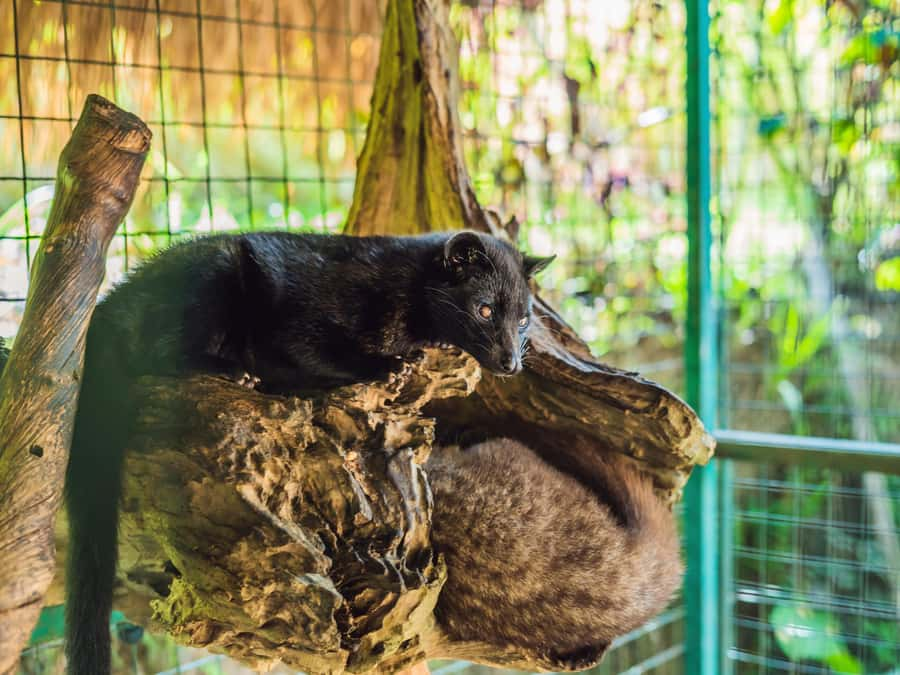
- Coffee plantation visit adds a local food angle: Learn how Balinese coffee, including kopi luwak, is processed.
- Transport is a strong point: Pickup and drop-off are included, and the car comes with bottled water. Clean, comfortable vehicles and careful driving are frequently praised.
- Plan around temple access: Menstruation may restrict entry for women, and entrance fees depend on the option you book.
A day of temples, ritual and coffee
This 7 to 8-hour private tour links several important sites in central Bali. It is not simply a temple checklist. The best part is the combination: a cave sanctuary, a monumental temple complex, a purification ritual and a look at coffee production, all with a driver-guide who can explain what you are seeing.
The day begins with pickup at the address you provide. You are asked to be ready 15 minutes before the scheduled start, a sensible cushion for a full day out. Bottled water and refreshments are included, and the private group setup means the guide’s attention is yours rather than divided among a busload of strangers.
The guide is English-speaking, and the personal element is a major reason to consider this tour. Wayan Agus, Pande, Dewa, Wayan Kantra and other local guides have led it. The guide assigned to you may differ, but the best use of the private format is the same: ask about customs, religion and the places you are visiting instead of treating the day as a series of photo stops.
More purification ceremonies around Ubud:
- Tirta Empul: Temple Tour with Optional Spiritual Cleansing
★ 4.9 · 1,257 reviews - Ubud Tour – Balinese Healing By Shaman And Self Purification
★ 5.0 · 236 reviews - Ubud: Spiritual Cleansing, Palm Reading, & Trauma Healing
★ 4.5 · 217 reviews
Goa Gajah: a cave with a spiritual purpose
Goa Gajah, often called Elephant Cave, is the day’s first encounter with Bali’s sacred architecture. Its carved stone entrance gives the site an immediate sense of age and mystery. Inside, the cave offers a quieter, more intimate contrast to the open temple spaces later in the day.
This is a place to slow down. The cave has long been associated with meditation and introspection, and its enclosed setting makes it easy to understand why people seek stillness here. Look closely at the stone carvings, then let your guide explain the religious and cultural context. A good explanation can turn an unusual doorway into a more meaningful encounter.
Goa Gajah is also a useful introduction to the day’s pace. You are not being asked to rush through a museum display. The private tour gives you a chance to explore and take photographs, while the guide can help with questions as they come up.
The cave itself is compact, so do not expect a long visit to one site to fill the morning. Its value lies in the atmosphere and in the guide’s ability to give it context. If you are most interested in grand architecture or elaborate ceremony, you may find Tirta Empul the stronger stop. But Goa Gajah adds a different kind of sacred space to the route.
Gunung Kawi: shrines carved into the cliffs
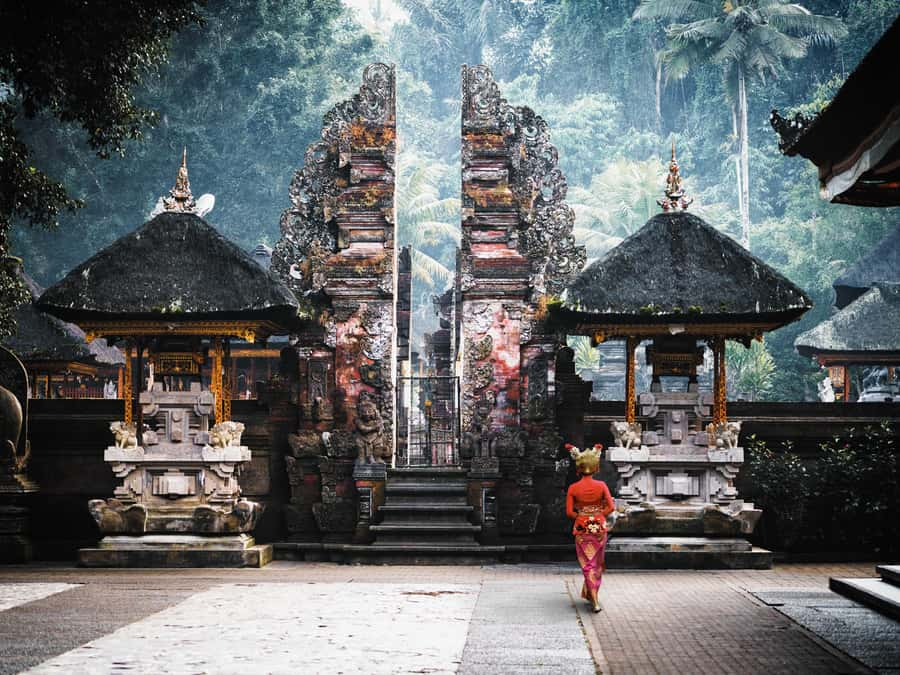
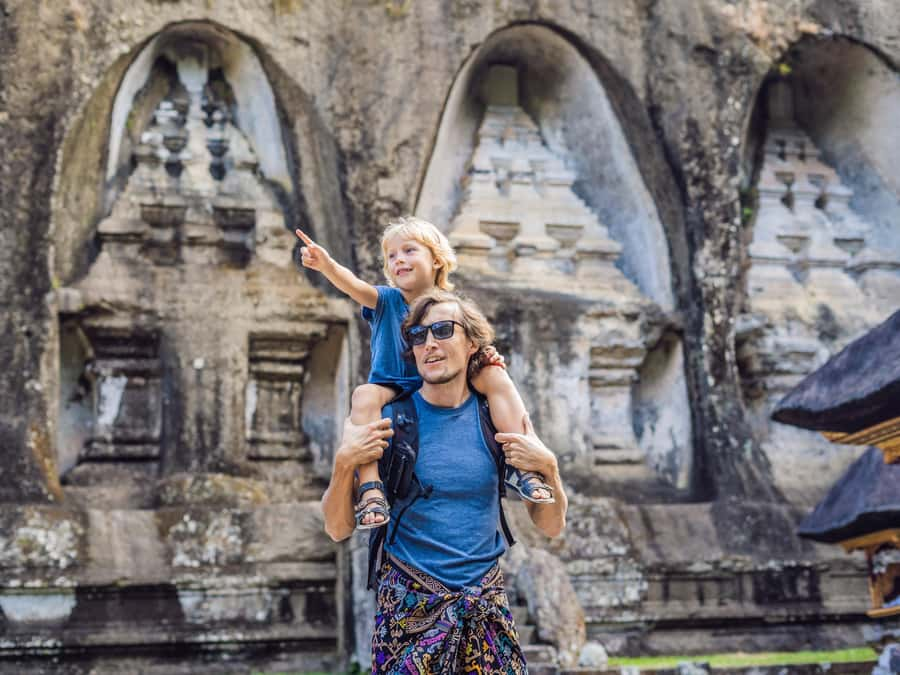
Next comes Gunung Kawi, a temple complex where cliffside shrines create one of the most memorable scenes of the day. The stone monuments feel quite different from Goa Gajah’s enclosed cave. Here, the setting is open, and the pathways draw you through a larger complex of old structures.
The appeal is partly visual, but the guide’s interpretation matters. Each shrine and passage belongs to a broader religious and historical setting, and your guide can help make sense of what might otherwise seem like a collection of impressive stonework. Take time to look around rather than heading straight for the next photo.
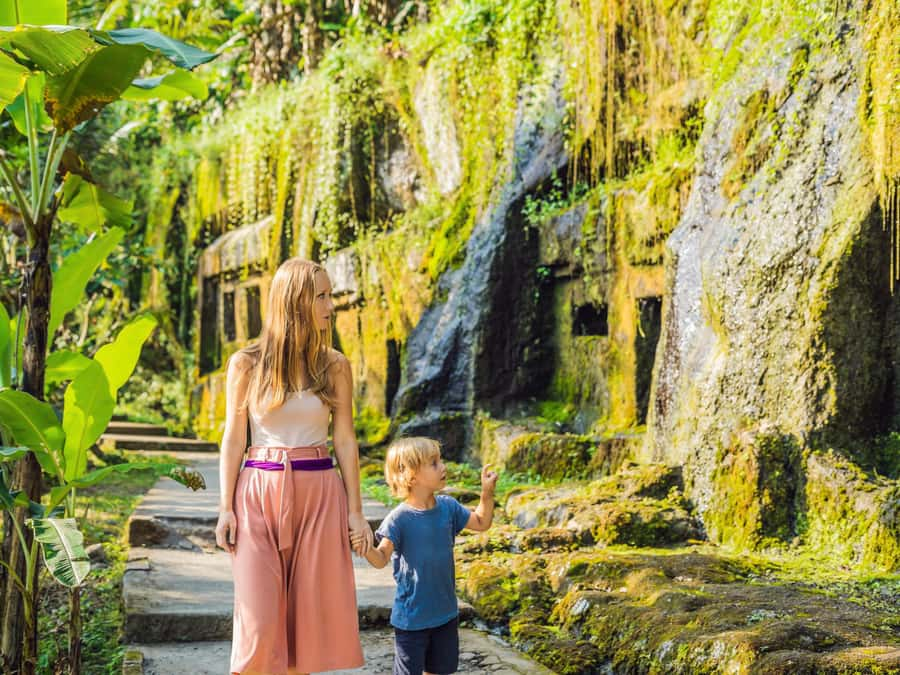
The pathways are described as labyrinthine, so allow room for exploring. That can be a pleasure if you like wandering through old sites, but it also means the day involves more than sitting in the car and stepping out for a quick look. If you have mobility concerns, contact the operator before booking to ask whether the route will suit you. The available information does not promise a specific accessibility arrangement.
Gunung Kawi also helps balance the spiritual focus of the tour. It is a place to observe and learn, rather than the hands-on ritual that comes later. You will get more from the stop if you bring questions about Balinese customs and temple life.
Tirta Empul: taking part in purification
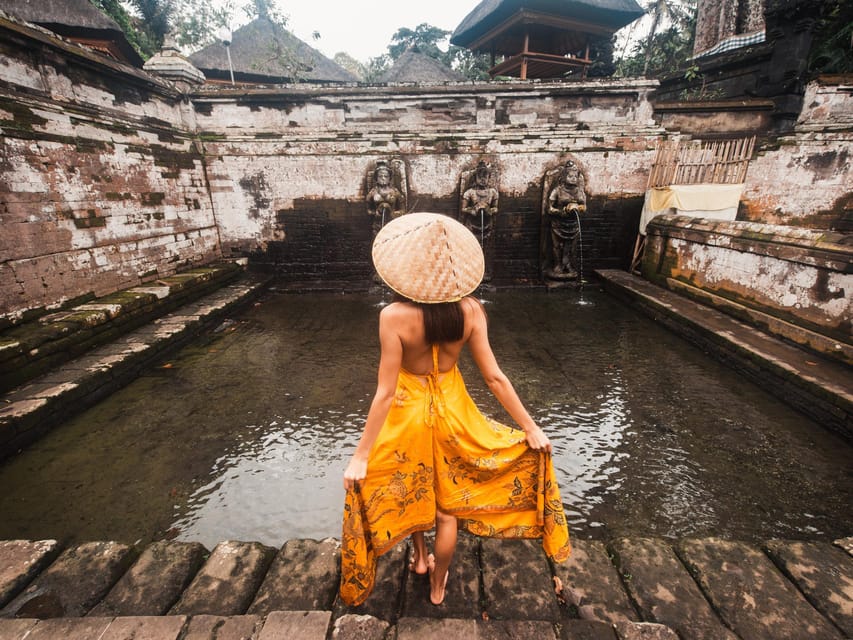
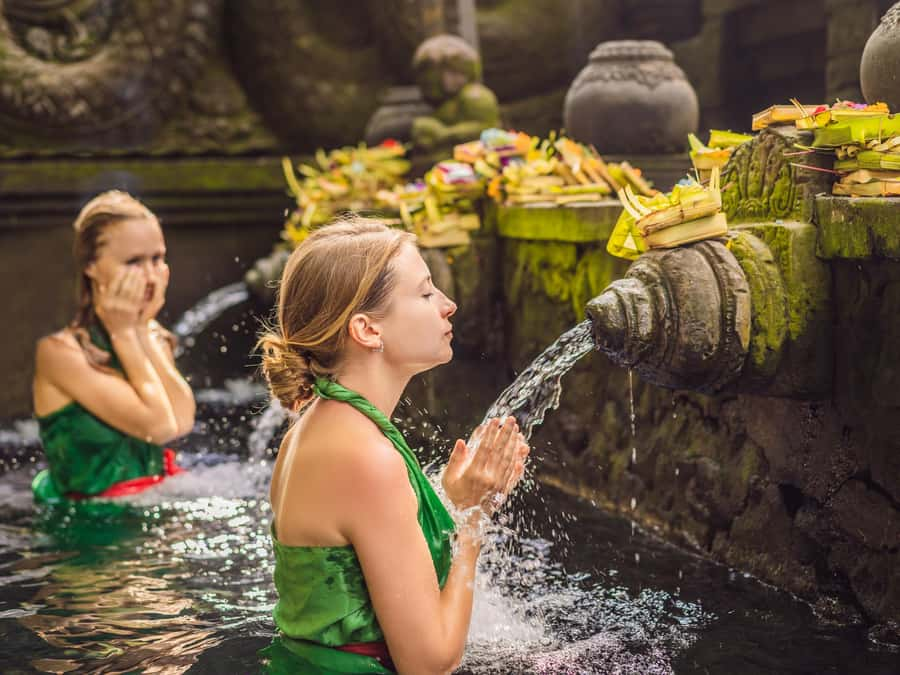
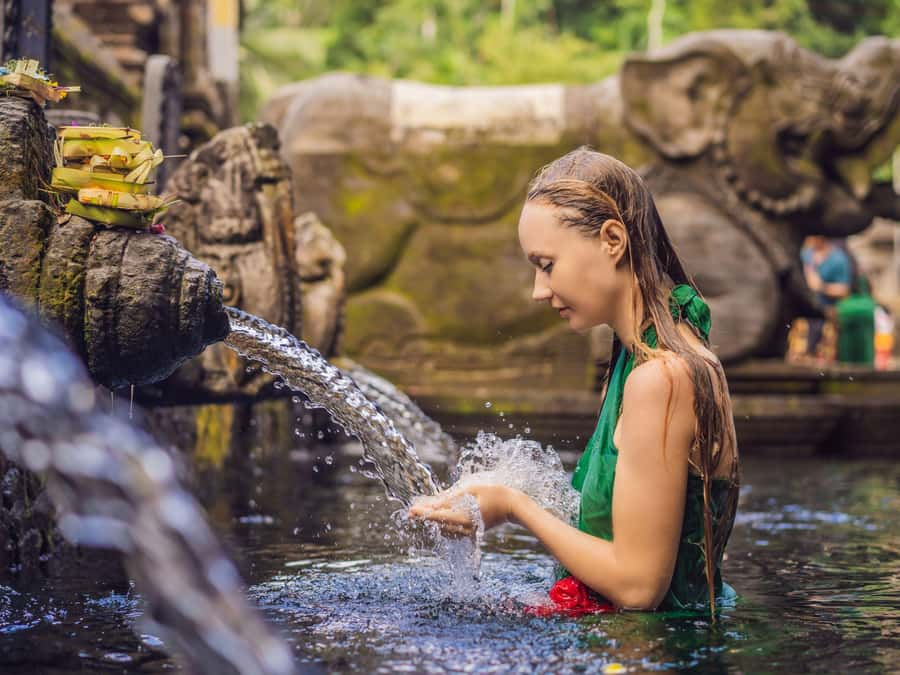
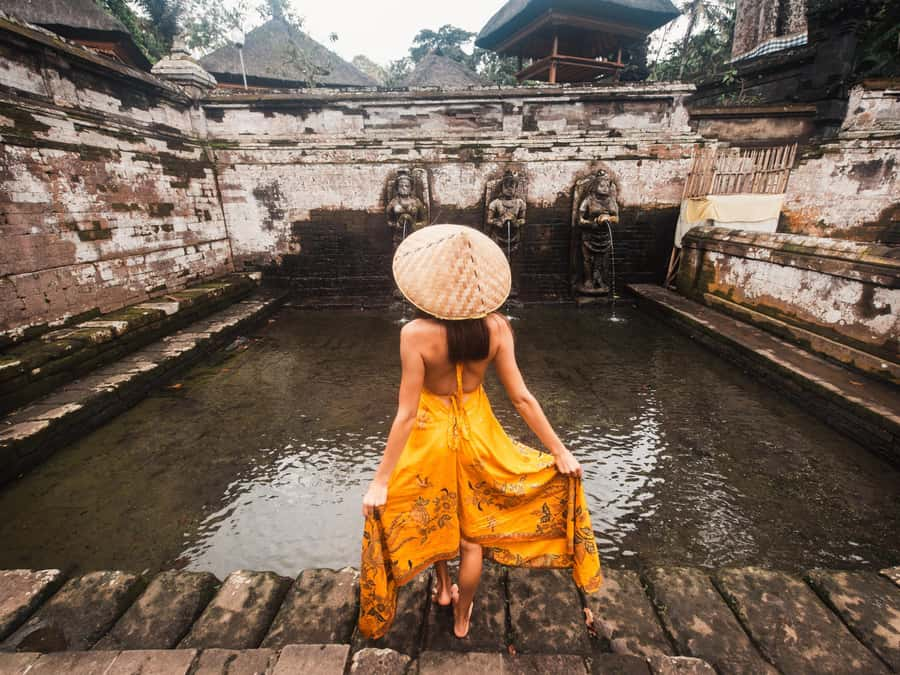
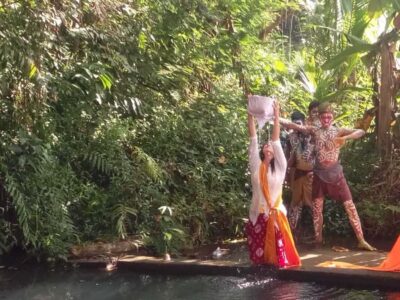
Tirta Empul is the main event for many people, and it is the stop that gives this tour its particular character. The temple is known for its holy water, and you can participate in a purification ceremony among the sacred springs. It is a chance to approach a religious practice with care, rather than viewing the temple only as scenery.
The ritual can feel personal. Several guides have helped explain the ceremony and its cultural meaning, while also assisting visitors during the activity. Some have taken photos and videos, which can be useful when you want to remember the experience without managing a camera at every moment. You should still approach the ritual respectfully and follow the guide’s instructions.
This is not a performance staged for you. The value lies in joining a practice that matters within Balinese religious life. If you are curious about the beliefs behind the ceremony, ask your guide to explain them before you begin. The private format makes those questions easier to fit into the day.
There is an important restriction to consider: women who are menstruating may not be allowed to enter certain temples. This can affect access to the ritual, so plan accordingly. In at least one case, the operator helped arrange a different outing when a guest could not take part, but that alternative should not be assumed or treated as a guaranteed part of this tour. Contact the provider directly if you need to discuss a change.
More trips around Ubud worth booking
- All-Inclusive Ubud Private Tour
★ 5.0 · 14,344 reviews - Best of Ubud Full-Day Tour with Jungle Swing
★ 5.0 · 8,571 reviews - Ubud: Monkey Forest, Jungle Swing, Rice Terrace, and Water Temple
★ 5.0 · 7,160 reviews - Ubud: Waterfalls, Water Temple & Rice Terraces Private Tour
★ 5.0 · 5,484 reviews
Coffee plantation: seeing how local coffee is made
The final stop is a Bali coffee plantation, where you can learn about coffee processing, including the distinctive production methods associated with kopi luwak. The visit gives the day a change of pace after several sacred sites and offers a practical look at a well-known local product.
You can see how coffee is processed and explore the plantation while taking in its aromas. Coffee tasting has also been part of some outings, but the core description promises a look at production rather than a specific tasting menu. If tasting is important to you, confirm what is included before you go.
Kopi luwak is unusual enough to prompt questions. Use the visit to ask how it is produced and what makes the process different from other coffee. The tour is framed as an educational stop, not just a chance to buy souvenirs, though personal purchases are not included in the price.
The guide and the private format
The guide can shape the day as much as the sites do. Several guides, including Wayan Agus, Pande, Dewa and Wayan Kantra, have been praised for clear English, patient answers and explanations of Balinese culture. Wayan Agus has also been described as prompt and attentive, while Pande has been noted for adapting the pace and helping guests feel safe.
Those details matter because the tour covers subjects that are easy to misunderstand from a quick online search. A guide can explain what you are seeing, answer questions about local customs and help you approach the purification ritual with more understanding. Some guides also take photos and videos, a thoughtful service when you would rather be present in the moment.
The private setup is particularly useful for couples, friends or families who prefer to move at their own pace. You can spend more time at a stop that interests you and have more room for conversation. It is not a guarantee that every element can be changed, but the format offers more flexibility than a large group outing.
What the $36 price does and does not cover
At $36 per person, the tour can represent good value if you want transport, a private guide and several major sites in one day. The price is more compelling when you consider how much ground the itinerary covers and the chance to ask a guide questions throughout, rather than arranging separate rides and visits yourself.
Check the ticket option carefully. Entrance fees to attractions and activities are included only if you select the all-inclusive option. The base price and the all-inclusive price may therefore cover different things, so compare the final checkout details before booking.
Meals are not included. Refreshments and bottled water are provided, but you should budget separately for food and any personal purchases. Souvenirs and other additional expenses are also your responsibility.
Transport is one of the tour’s strongest practical features. Pickup and drop-off at your Bali accommodation are included, and the driver will collect you from the address you provide. The car is often described as clean and comfortable, with mineral water available. For a full day of stops, reliable transport is more than a convenience: it helps you save energy for the temples themselves.
Who should book this tour
This tour suits you if you want to understand more than the surface of Bali’s sacred places. It brings together three very different sites, a chance to join a purification ritual and a coffee stop, with an English-speaking guide to make the day more than a sequence of transfers.
It is especially appealing if you value conversation and a flexible pace. First-time visitors can use the guide’s explanations to make sense of customs and religious practice, while returning visitors may appreciate being able to focus on the sites or questions that interest them most.
It may be less suitable if you want a slow, single-site visit or prefer to explore without a guide. The 7 to 8-hour schedule is a full day, and the itinerary includes several stops. The temple restriction for women who are menstruating is another important factor. If the purification ceremony is your main reason for booking, check access and any alternative arrangements with the operator before paying.
Should you book it?
I would book this tour if you want a private, guided day that combines cultural context with a real opportunity to take part in a Balinese purification ceremony. The three temple visits give the day variety, while the coffee plantation adds a lighter final stop. Strong transport and guides who take time to answer questions make the price easier to justify.
Before you reserve, confirm whether your chosen option includes entrance fees, and ask the provider about any personal access concerns. If you are comfortable with a full day of sightseeing and want a guide to help you approach the ritual respectfully, this is a well-rounded way to spend a day in Bali.
FAQ
How long is the tour?
The tour lasts 7 to 8 hours. Starting times depend on availability.
Is this a private tour?
Yes. The tour is organized for a private group, rather than a shared group.
Is pickup from my accommodation included?
Yes. Pickup and drop-off at your Bali accommodation are included. Provide your address and be ready 15 minutes before the scheduled start.
Which sites are included?
The planned visits are Goa Gajah, Gunung Kawi, Tirta Empul and a Bali coffee plantation.
Can I take part in a purification ceremony?
Yes. Participation in the purification ritual at Tirta Empul is included.
Are entrance fees included in the price?
Entrance fees are included if you select the all-inclusive option. Check your chosen option before booking.
Are meals included?
No. Meals are not included. Refreshments and bottled water are provided.
Are there restrictions for women visiting the temples?
Women who are menstruating may not be permitted to enter certain temples. Plan accordingly and contact the provider if you have questions about access.
Fresh listings around Ubud
- Tour the island of Bali with expert tour guides in Spanish.★ 5.0 · 7 reviews
- Tour full day ubud, water fall,coffe atv,and rice paddy★ 5.0 · 6 reviews
- The Authentic Balinese Cooking Experience★ 5.0 · 4 reviews
- Sunrise Café and Morning Yoga Class★ 5.0 · 5 reviews
- Private Ubud Tour With Professional Photographer with Edit★ 5.0 · 53 reviews
- Quad Bike Bali With Tunnel & Waterfall Tour★ 4.2 · 8 reviews
- Private Ubud Tour: Sacred Monkeys, Coffee, Temple, Waterfall★ 4.8 · 3 reviews
- Private Silver jewelry Making Class With Master★ 5.0 · 3 reviews
Bali Water Purification Ceremonies, compared.
Full-Day Spiritual Cleansing and Shamanic Healing Tour
Read our review →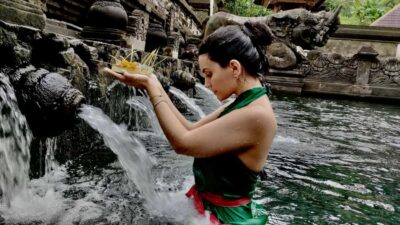
Tirta Empul: Temple Tour with Optional Spiritual Cleansing
Read our review →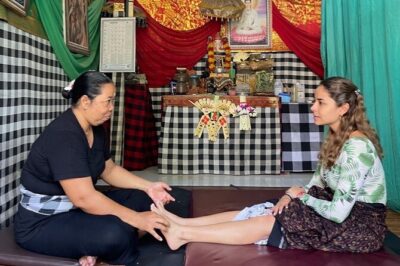
Ubud Tour – Balinese Healing By Shaman And Self Purification
Read our review →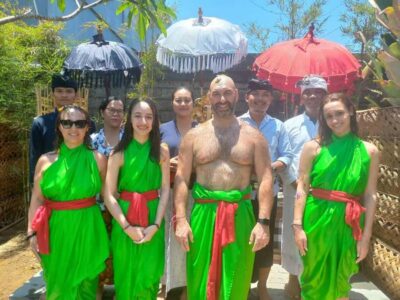
Spiritual Cleansing, Palm Reading, & Trauma Healing
Read our review →
Healing and Aura Cleansing Tour with Yoga & Meditation
Read our review →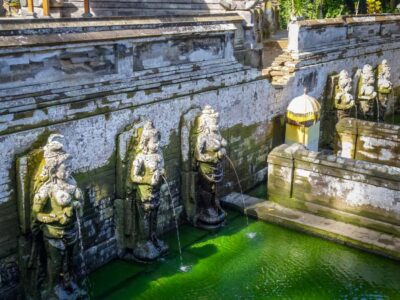
Bali Spiritual: Blessing Ceremony, Pristine Nature, Transfer
Read our review →Browse the lists this tour appears in