
Reviewed · BALI WATER PURIFICATION CEREMONIES
Bali: Ubud Traditional Balinese Purification
Tirta Empul’s melukat ritual is the heart of this six-hour trip: a priest guides you through a traditional cleansing ceremony using sacred spring water. The day also takes you to Goa Gajah’s carved cave and Gunung Kawi’s stone shrines, giving the ritual a wider cultural setting.
I like two things in particular: the private ride and Ubud pickup make it easier to visit several sites in one day, and drivers such as Wayan Sana, Jack, and Gede Jonny have helped explain local customs and the stories behind the temples. Some have also been flexible about photo stops and additional detours, though extras are not guaranteed.
One important consideration: the advertised $29 price does not include admission fees or meals, so your total cost will be higher. Also, women who are menstruating are not permitted to enter the temple area or take part in the purification ritual, in keeping with Balinese Hindu customs.
- Tirta Empul is the main event: Allow about two and a half hours at the temple, including the melukat ritual.
- Three sites, three different moods: See Goa Gajah’s cave, Tirta Empul’s spring-water temple, and Gunung Kawi’s carved shrines.
- A private group, not a large coach tour: You travel with your own group and an English-speaking driver.
- Guides can make the day: Jack, Wayan Sana, Made, Dewa, and Gede Jonny are among the drivers praised for sharing cultural context and helping with practical details.
- Plan for extra costs: Admission fees, lunch, personal purchases, and optional activities are not included.
- Come prepared to follow local customs: Menstruating women cannot enter the temple area or join the ritual.
Three Ubud-area sites, with purification at the center
This tour links three major spiritual and archaeological sites around Ubud, but it is not simply a temple-hopping checklist. The most personal part is melukat, a Balinese purification ritual at Tirta Empul, where holy water, prayers, and offerings form part of a ceremony led by a priest.
The visits to Goa Gajah and Gunung Kawi help place that experience in context. You see different expressions of Bali’s religious past, from a cave sanctuary with Hindu and Buddhist associations to monumental shrines cut into rock.
The tour is arranged as a private group, with hotel pickup in Ubud or nearby areas and an English-speaking driver. That private setup is useful here: you can ask questions as you go, and the driver can help coordinate the day without the pace and waiting that come with a large group.
The experience lasts six hours. The scheduled visits add up to about five hours, with the rest of the time available for the drives between locations and pickup or return to your accommodation. Actual travel time will depend on the day’s route and traffic.
Goa Gajah: a cave, carvings, and a quiet beginning
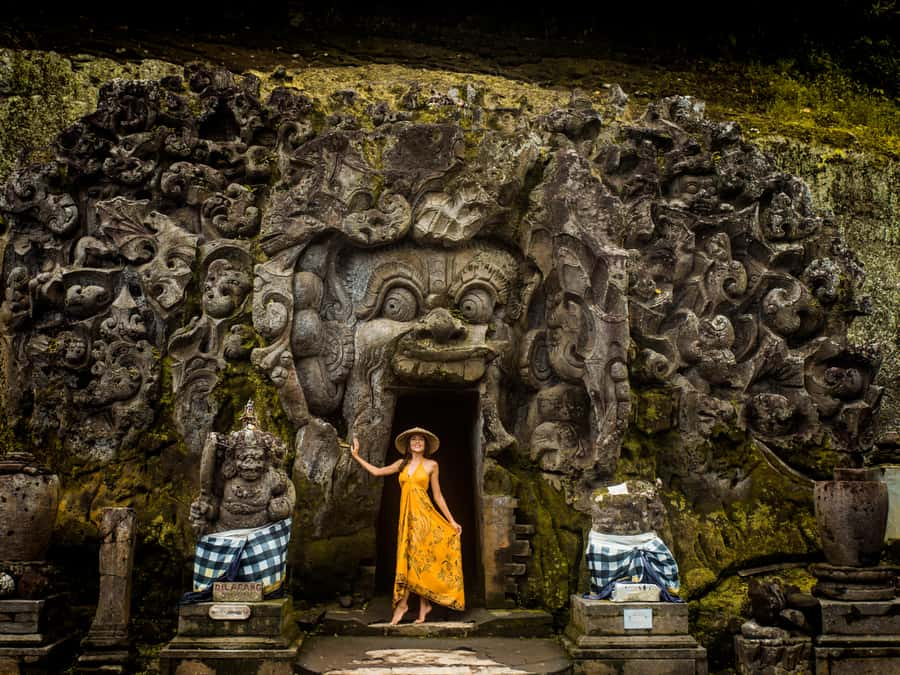
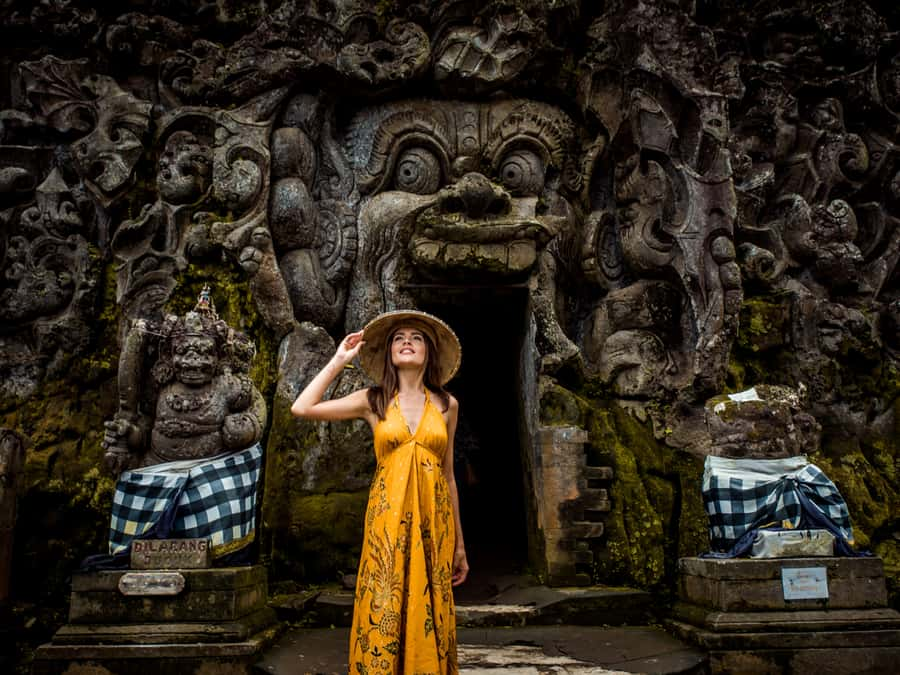
The first stop is Goa Gajah, also called Elephant Cave, in the village of Bedulu. The site dates to the ninth century and is known for its cave entrance, carved with demons, mythical figures, and Hindu deities. It is described as a Hindu-Buddhist archaeological site, and its history as a place for meditation and reflection gives the visit more meaning than a quick look at an old façade.
You have about an hour and a half here. That is a useful amount of time to see the cave and explore the site without making the stop feel like a race. Your driver can explain the history and religious context, though the tour information does not specify that a separate specialist guide is provided at each temple.
Goa Gajah makes a good opening stop because it introduces the day’s themes: spiritual practice, sacred spaces, and Bali’s long religious history. The cave is the visual focus, but take time to notice the broader archaeological setting rather than treating the entrance as the whole site.
Admission is not included in the tour price. Check the current entry arrangements and fees before you go, since the $29 covers transport and parking rather than attraction tickets.
More purification ceremonies around Ubud:
- Tirta Empul: Temple Tour with Optional Spiritual Cleansing
★ 4.9 · 1,257 reviews - Ubud Tour – Balinese Healing By Shaman And Self Purification
★ 5.0 · 236 reviews - Ubud: Spiritual Cleansing, Palm Reading, & Trauma Healing
★ 4.5 · 217 reviews
Tirta Empul: the two-and-a-half-hour centerpiece
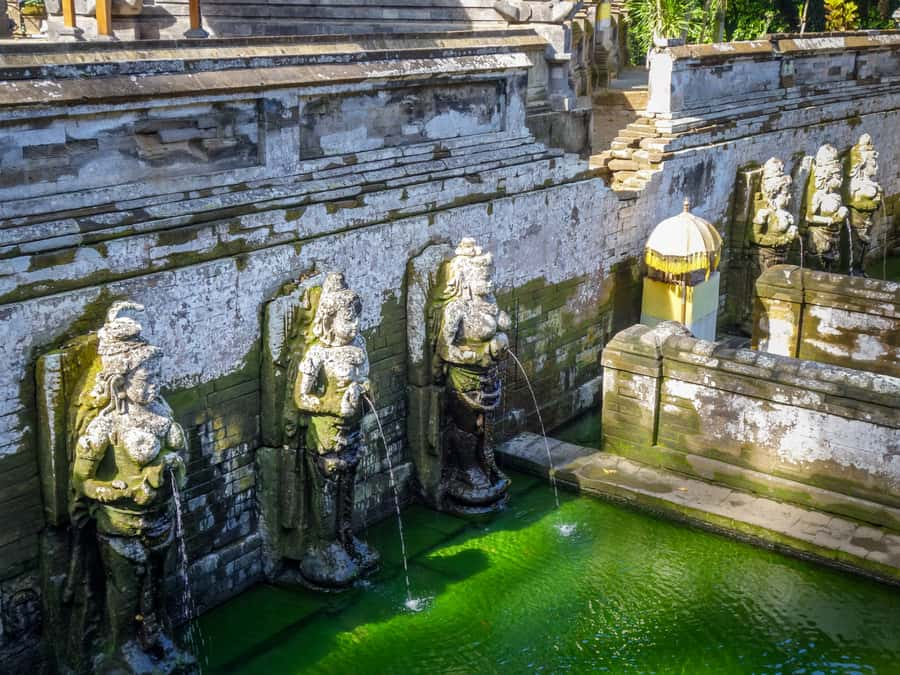
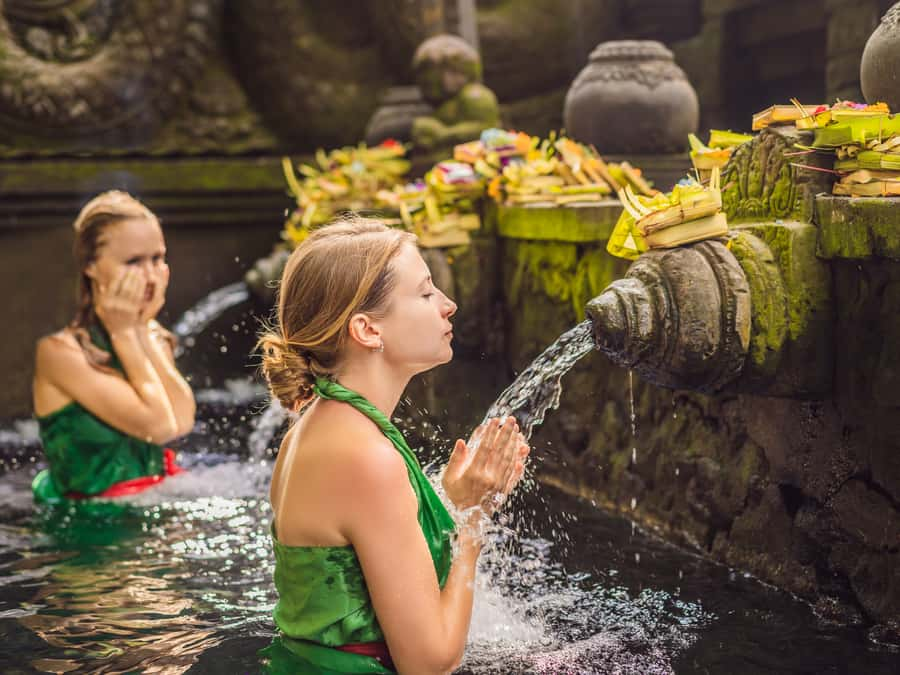
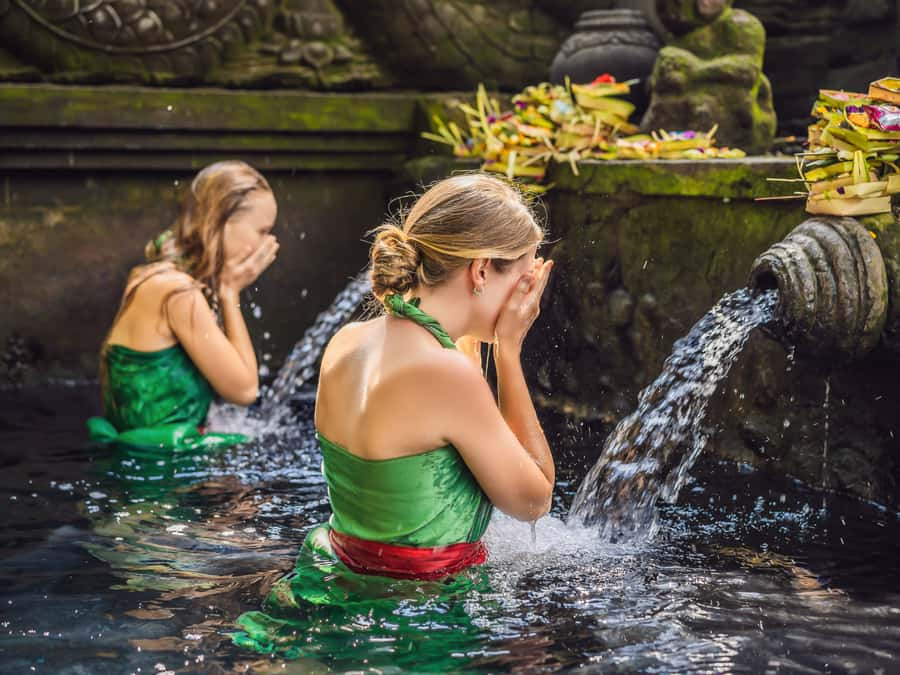
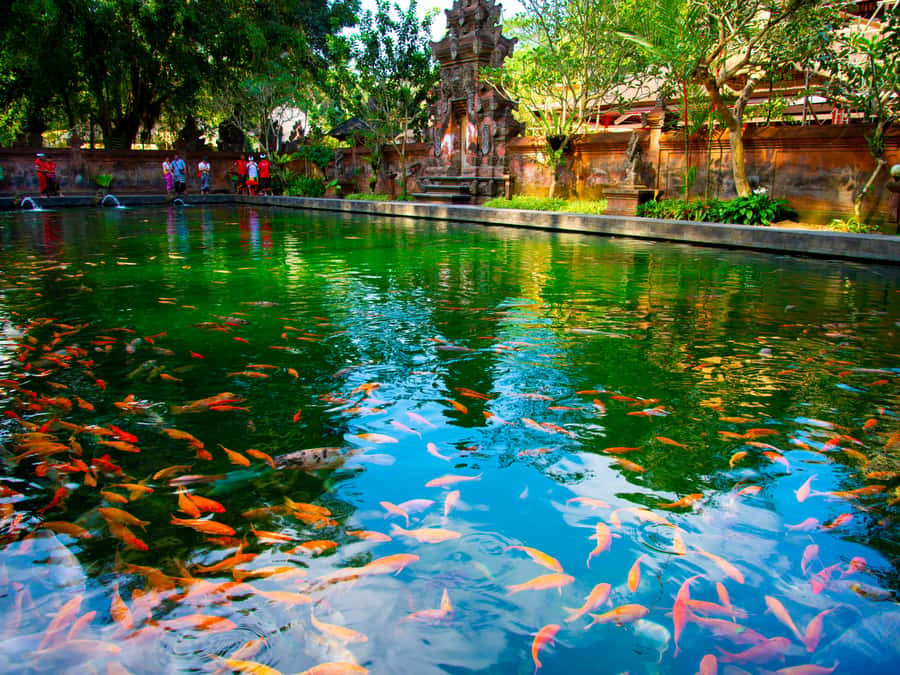
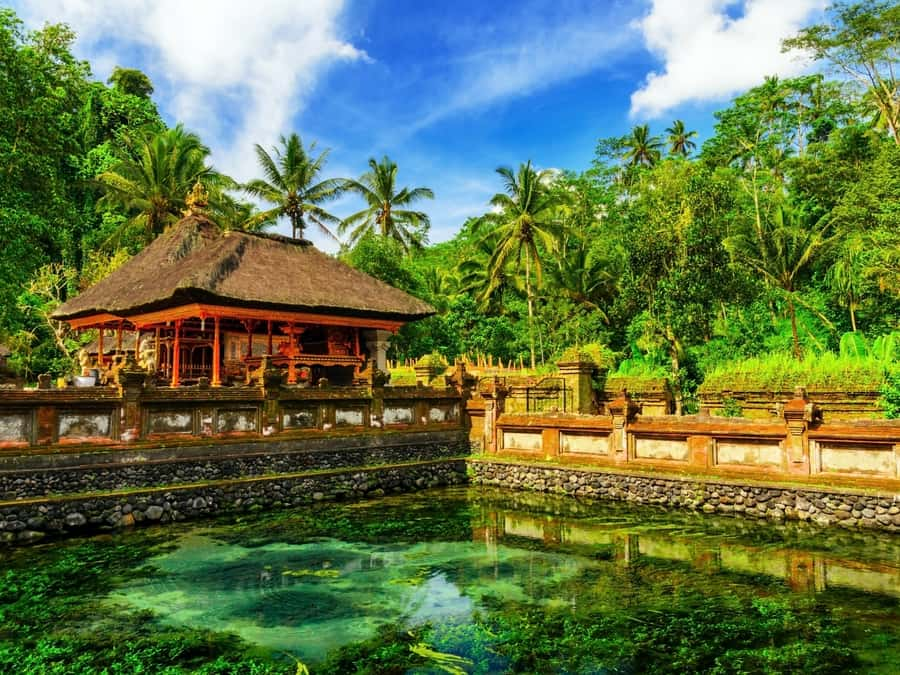
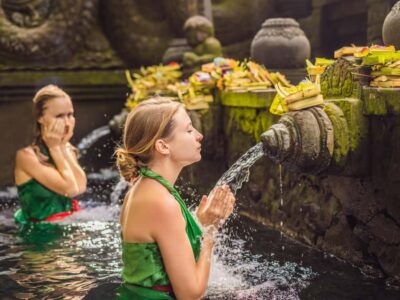
Tirta Empul is the main reason to book this experience. The temple dates to the tenth century and is dedicated to Vishnu. Its spring water is considered sacred, and the melukat ritual uses water, prayers, offerings, and blessings as a form of spiritual cleansing.
A priest guides the ceremony. You are not simply watching a ritual from the edge of the temple; the experience is designed to let you participate. That makes it worth asking your driver questions beforehand, especially if you want to understand the order and meaning of the different parts rather than just follow the people ahead of you.
The itinerary allows about two and a half hours at Tirta Empul, the longest stop of the day. That time matters because the ceremony is the tour’s central activity, and you may need time to prepare, take part, and see the temple grounds. One visitor described entering waist-deep water and using a changing room and locker, but facilities and arrangements may vary. Bring what you need for changing, and ask your driver how to handle clothing and storage when you arrive.
Some drivers have helped arrange sarongs and locker keys, explained the ritual, and taken photos during the ceremony. Jack and Wayan Sana are among the guides named for answering questions and making the steps easier to follow. These details can make a sensitive cultural experience more comfortable, but the priest, not the driver, leads the purification itself.
There is an important custom to understand before booking: women who are menstruating are not permitted to enter the temple area or take part in the ritual. This is stated as a Balinese Hindu practice, not a tour-operator preference. If it applies to you, plan accordingly and contact the provider before reserving rather than finding out at the entrance.
The ritual can feel personal and moving, but it is also a religious practice, not a staged performance. Approach it with respect, follow the priest’s instructions, and avoid treating the ceremony as only a photo opportunity. Your driver may help capture a few pictures, as Gede Jonny and Jack have done for past groups, but let the ceremony take priority.
Gunung Kawi: royal shrines among rice terraces
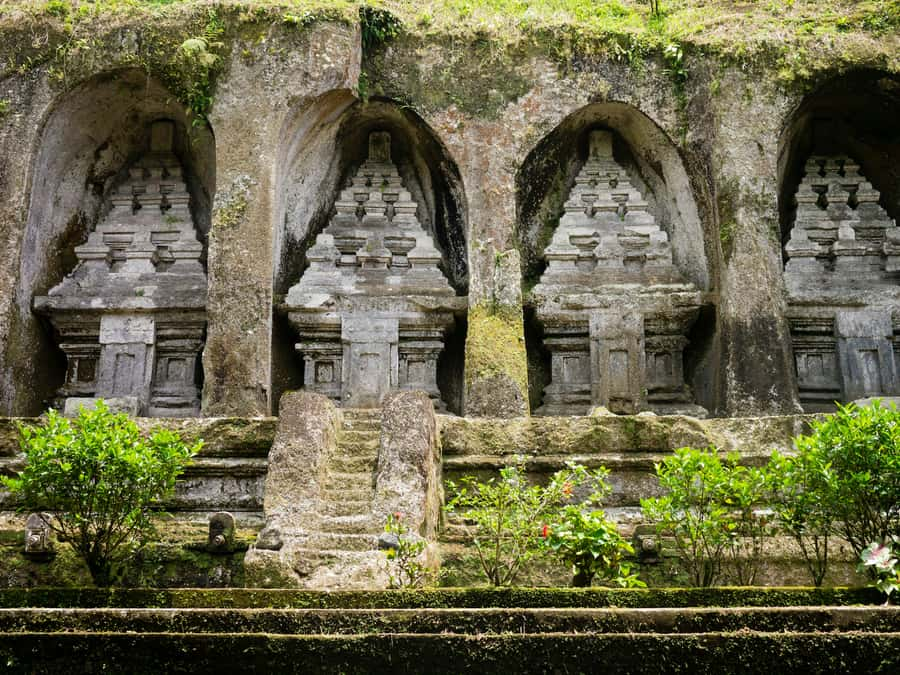
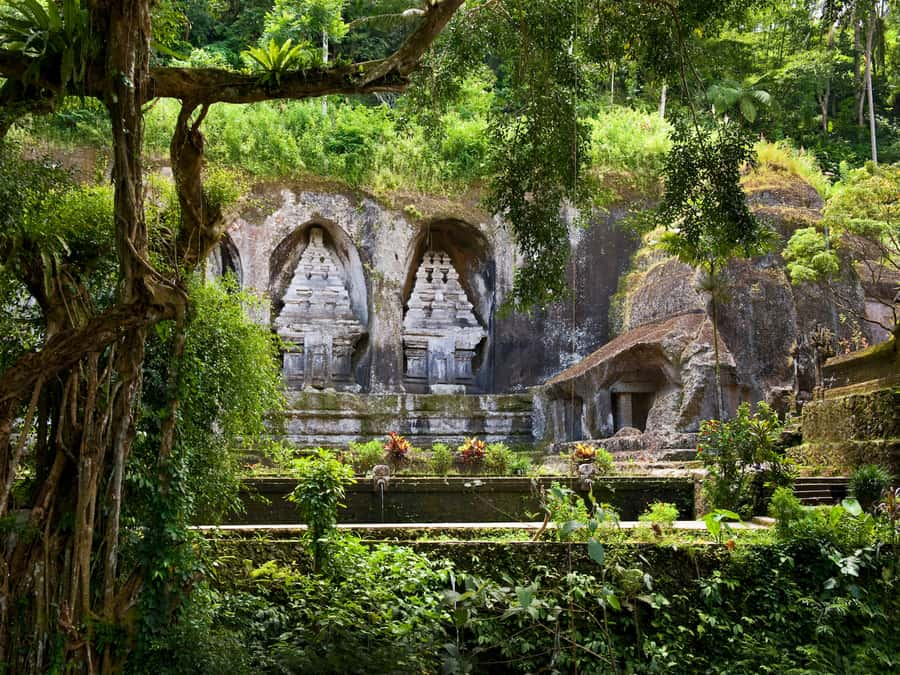
The final scheduled temple stop is Gunung Kawi, an eleventh-century complex of rock-cut shrines in a valley of rice terraces and river country. Its monuments are associated with King Anak Wungsu and his queens, and the carved stone forms give the site a distinct character after the cave at Goa Gajah and the water ritual at Tirta Empul.
You have about an hour here. That is enough for a focused visit, though the stop may feel brief if you like to linger at historic sites or take your time with photographs. The setting is part of the appeal: the shrines sit within a green, sloping area rather than in a modern urban space.
The three locations work well together because none repeats the same experience. Goa Gajah brings you close to carved stone and a cave sanctuary; Tirta Empul centers on active religious practice; Gunung Kawi offers monumental royal memorials. If you want a day that combines history with a living spiritual tradition, this sequence is more rewarding than visiting three similar temples.
What the driver adds to the day
The tour includes an English-speaking driver, private transportation, hotel pickup in Ubud or nearby areas, and parking fees. The driver is more than a person behind the wheel when communication works well: named guides including Wayan Sana, Jack, Made, Dewa, and Gede Jonny have shared explanations of temple history and Balinese customs, answered questions, helped with photos, and offered practical assistance.
That personal support is a frequent strength of this experience. Gede Jonny, for example, has helped with sarongs and lockers, while Dewa was able to accommodate a change of plans and assist with a hotel transfer. Wayan Sana has been praised for explaining the sites and making the journey lively. These are useful examples of what a good driver can add, not guarantees that you will have the same person or receive the same extra stops.
A few groups have also been taken to rice fields or a coffee-tasting place. Those detours are not part of the stated itinerary, so treat them as possible extras rather than something included in the plan. If you have a must-see stop or need to be back at a set time, discuss it with the driver early and confirm what is realistic.
Transportation is especially important because the tour covers several sites in one day. The vehicle rating is strong, with 94 percent of reviewers giving transport a perfect score. Reports of clean, comfortable cars, bottled water, and safe driving are encouraging, but the vehicle type and exact amenities are not specified for every booking.
More trips around Ubud worth booking
- All-Inclusive Ubud Private Tour
★ 5.0 · 14,344 reviews - Best of Ubud Full-Day Tour with Jungle Swing
★ 5.0 · 8,571 reviews - Ubud: Monkey Forest, Jungle Swing, Rice Terrace, and Water Temple
★ 5.0 · 7,160 reviews - Ubud: Waterfalls, Water Temple & Rice Terraces Private Tour
★ 5.0 · 5,484 reviews
Is $29 good value?
At $29 per person, this is an appealing starting price for a private six-hour outing with Ubud-area pickup, transportation, parking, and visits to three significant sites. The price is not the full cost of the day, though. You pay attraction admission separately, and lunch, personal purchases, and optional activities are also extra.
That distinction matters. The tour can be good value if you want transport arranged and a driver who can help explain what you are seeing. It may be less attractive if you expected the price to cover temple tickets, food, and every activity. Check admission costs before you book so you can compare the likely total with arranging transport independently.
The value is not just the number of places covered. Tirta Empul is a working sacred site, and the chance to take part in melukat with a priest’s guidance gives the day a purpose beyond sightseeing. The combination of that ceremony and two contrasting historical sites is the main reason this tour earns its place in an Ubud itinerary.
The overall rating is 4.5 from 73 reviews. Praise most often centers on friendly, helpful drivers, cultural explanations, a comfortable day in the car, and the purification ceremony. The more practical caveats remain the same: entry fees are separate, the day is tightly timed across three stops, and the ritual is not open to menstruating women.
Before you set off from Ubud
Wait in your hotel or villa lobby at the agreed pickup time. The driver may contact you to coordinate, and you should have your online ticket ready. The provider asks you to be easy to identify and ready to leave when the vehicle arrives.
Bring money for entry fees, lunch, and any personal purchases. Refreshments may be provided, but meals are not included. Because the ceremony involves sacred water, plan what you will need for the ritual and changing; one past participant used bathers, a changing room, and a locker, but confirm current arrangements with your driver.
Be open to asking questions. The best part of a private tour is often the chance to ask about the site in front of you, rather than trying to absorb a speech in a crowd. Keep your expectations grounded, too: the driver can explain and assist, but the formal purification is led by a priest.
Free cancellation is available up to 24 hours before the tour, and you can reserve now and pay later. Starting times depend on availability, so check the schedule that fits your plans.
Should you book this Ubud purification tour?
Book it if you want more than a temple photo stop and are comfortable taking part in a Balinese religious ceremony with respect. The strongest reasons are the priest-guided melukat at Tirta Empul, the range of sites in one private outing, and the practical help an engaged driver can provide.
It is a less suitable choice if you need admission and meals included, want a fully guided specialist at every site, or cannot enter the temple area under the stated customs. For most visitors who want a compact introduction to Ubud’s sacred sites and are prepared for the extra costs, this is a thoughtful, well-focused half-day. Ask about the day’s driver, ritual arrangements, and expected entry fees before booking, then leave room in your schedule for the experience to unfold at its own pace.
FAQ
How long is the tour?
The tour lasts six hours, with visits scheduled for about 1.5 hours at Goa Gajah, 2.5 hours at Tirta Empul, and one hour at Gunung Kawi Temple.
What sites does the tour visit?
The itinerary includes Goa Gajah, Tirta Empul, and Gunung Kawi Temple, with pickup and return in Ubud.
Is the melukat ritual included?
The tour includes participation in the melukat purification ritual at Tirta Empul, guided by a priest. Attraction admission fees are not included in the tour price.
What is included in the $29 price?
The stated price includes hotel pickup from Ubud or nearby areas, transportation, guided visits with an English-speaking driver, and parking fees. Admission, meals, personal expenses, and optional activities are extra.
Can women who are menstruating take part?
No. Women who are menstruating are not permitted to enter the temple area or participate in the purification ritual, in accordance with Balinese Hindu customs.
Can I cancel or pay later?
Yes. You can cancel up to 24 hours in advance for a full refund, and the tour offers a reserve-now, pay-later option.
Fresh listings around Ubud
- Tour the island of Bali with expert tour guides in Spanish.★ 5.0 · 7 reviews
- Tour full day ubud, water fall,coffe atv,and rice paddy★ 5.0 · 6 reviews
- The Authentic Balinese Cooking Experience★ 5.0 · 4 reviews
- Sunrise Café and Morning Yoga Class★ 5.0 · 5 reviews
- Private Ubud Tour With Professional Photographer with Edit★ 5.0 · 53 reviews
- Quad Bike Bali With Tunnel & Waterfall Tour★ 4.2 · 8 reviews
- Private Ubud Tour: Sacred Monkeys, Coffee, Temple, Waterfall★ 4.8 · 3 reviews
- Private Silver jewelry Making Class With Master★ 5.0 · 3 reviews
Bali Water Purification Ceremonies, compared.
Full-Day Spiritual Cleansing and Shamanic Healing Tour
Read our review →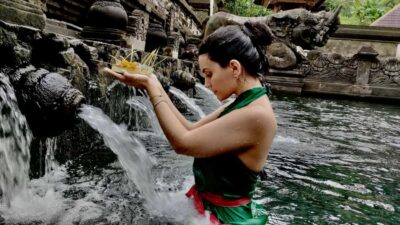
Tirta Empul: Temple Tour with Optional Spiritual Cleansing
Read our review →
Ubud Tour – Balinese Healing By Shaman And Self Purification
Read our review →
Spiritual Cleansing, Palm Reading, & Trauma Healing
Read our review →
Healing and Aura Cleansing Tour with Yoga & Meditation
Read our review →
Balinese Spiritual Journey with purification ceremony.
Read our review →
Bali Spiritual: Blessing Ceremony, Pristine Nature, Transfer
Read our review →Browse the lists this tour appears in