
Reviewed · UBUD ART CLASSES
Ubud: Ceramic Pottery Class with 2 kg Clay
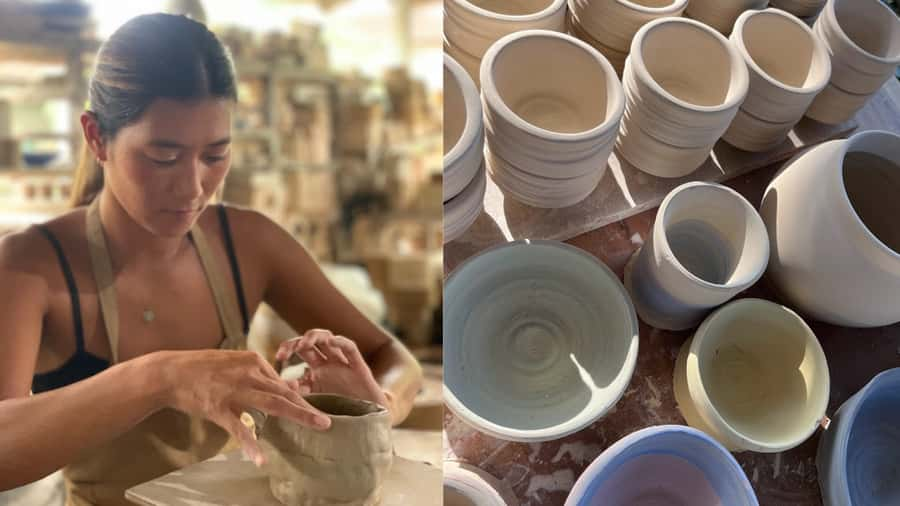
Ubud’s pottery class gives you a rare kind of holiday souvenir: one you make yourself, with wet clay under your fingernails and no need to be good at art. In three hours, you get 2 kg of clay and guidance in hand-building and wheel-throwing, so you can try more than one way of shaping a pot.
I like two things in particular: the generous amount of clay, which leaves room to experiment, and the patient, personal teaching style associated with instructors such as Putra, Dalem, and Andre. It’s a calm, hands-on break from sightseeing, and the chance to glaze two finished pieces adds real value.
The main catch is timing: you won’t take home finished pottery at the end of class. The pieces must dry and be fired, and preparation can take days or, at times, a week or two. If you hope to collect them in Bali, leave at least four days before you depart, and check the expected turnaround directly.
At a glance
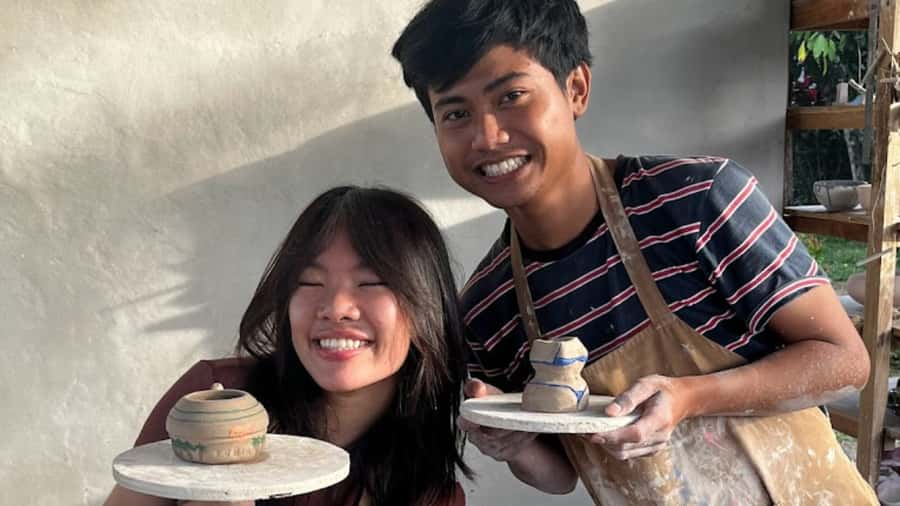
- Three hours with 2 kg of clay: Enough material to try different forms and techniques.
- Two pottery methods: You may learn hand-building and wheel-throwing, depending on the class.
- Two items fired: Tools, apron, clay color, glazing, and one bottle of mineral water are included.
- Private-group instruction: The activity is listed as a private group, with English-speaking instruction.
- A quiet setting: The workshop is described as being away from Ubud’s main road, which can make the session feel like a peaceful pause.
- Plan for delayed collection: Your pottery needs to dry and be fired before pickup or shipping.
Three hours from clay to first shape
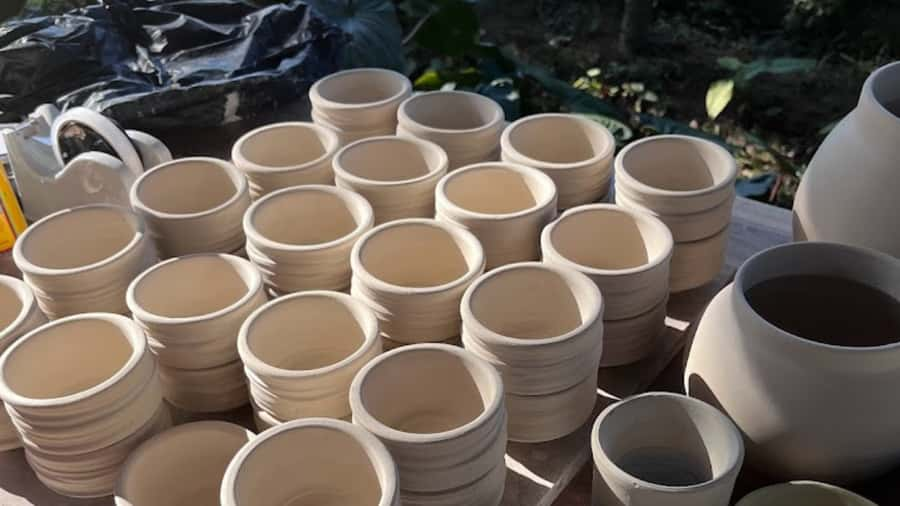
The class begins with an introduction and demonstration from your instructor. You’ll get a look at the basic techniques before working with the clay yourself. The session is designed for beginners as well as people with some pottery experience, and the instruction is in English.
That opening matters. Clay is a forgiving material, but it behaves differently from what many first-timers expect. A quick demonstration can save you from fighting the material and help you understand how to shape it. You’re not expected to arrive with a design plan or prior skill.
The class lasts three hours, which gives you time to make a start, get individual help, and try more than one approach. There’s no need to treat the wheel as a test of talent. It can take practice to keep a shape centered, and a patient instructor can help you through the basics without turning the afternoon into a lesson in perfection.
The class is advertised as a private group, and the experience is intended to offer personal guidance. That format is useful if you’re new to pottery or want to make something with a partner or friend. You can ask for help when a pot begins to wobble, rather than trying to keep pace with a large class.
More art classes around Ubud:
- 3 Hours Batik Making Classes in Ubud
★ 5.0 · 203 reviews - Crafting Heritage Batik Painting Workshops
★ 5.0 · 164 reviews - Outskirts of Ubud, Gianyar: Pottery Class
★ 5.0 · 9 reviews
Two ways to work the clay
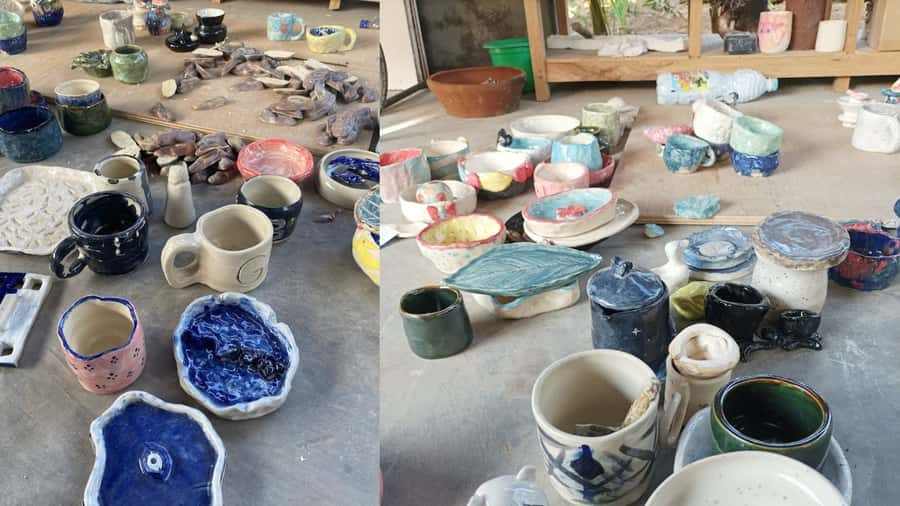
You may get to try both hand-building and wheel-throwing, two methods that feel quite different. In hand-building, you form a piece with your hands and tools. On the wheel, you work with rotating clay and learn to shape it as it turns. The exact pieces are up to you, but past class participants have made mugs, bowls, sculptures, and complementary items for home.
The 2 kg clay allowance is one of the most appealing parts of this class. It gives you room to attempt more than one object, rather than using all your material on a single first try. Several people have made two pieces, often one by hand and one on the wheel. Your results will depend on your own ideas, the time available, and how quickly you get comfortable with the techniques.
I’d go in with a loose idea, not a rigid plan. A mug or bowl is a practical first project, while a small sculpture leaves more room for free-form work. If you’re unsure, ask your instructor what’s realistic in the time. You can also choose to experiment instead of aiming for a perfect matching set. The point is to work with the clay and learn, not to produce factory-smooth pottery on your first afternoon.
The instructors named in accounts of the class include Putra, Dalem, and Andre. Names may vary depending on the session, but the teaching style described is patient and attentive. If you want a hand with a particular technique, ask early. That gives your instructor time to show you the basics before you begin shaping your pieces.
Glazing, firing, and getting your work home
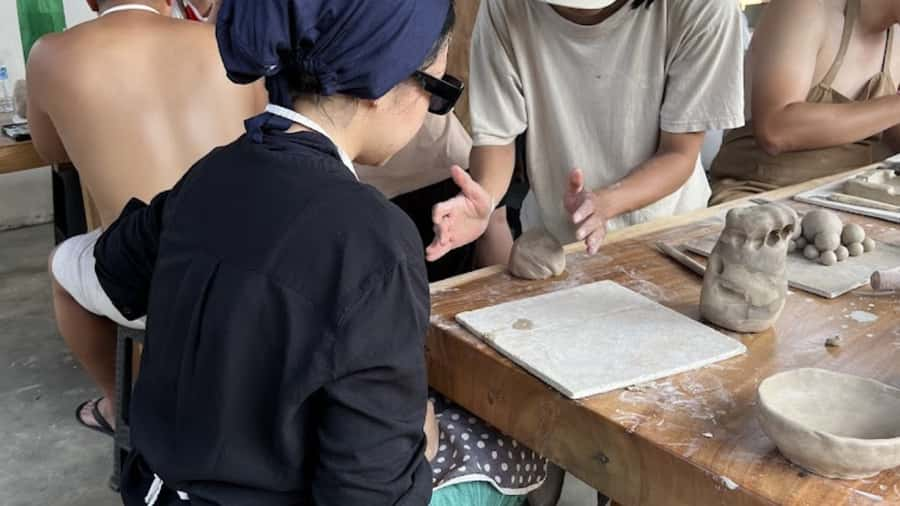
Once you’ve shaped your pottery, the experience includes clay color and glazing. That means you can add color and a finish before the pieces go through firing. The package includes firing for two items, so you don’t need to arrange that part yourself.
The firing process is also why you won’t leave with finished pottery in hand. Your pieces need time to dry and be fired, and the total wait can vary. Some people report collecting work after a few days; others have been told to allow one or two weeks. The practical advice is to leave at least four days before your trip ends, as the activity’s own guidance recommends, and to confirm the current estimate when you attend.
If your schedule is tight, ask about shipping or delivery before class ends. The activity description says you can opt for shipping to a desired location, and some participants have had pieces delivered to their accommodation. However, the details and cost of shipping are not specified, so don’t assume it is included in the $36 price.
One person with a short stay was able to get help collecting work before leaving, but that kind of arrangement should not be treated as guaranteed. Firing and drying take time, and the workshop’s schedule may not match your departure date. If bringing home the finished pieces is important to you, build in a buffer rather than relying on a last-minute favor.
A quiet pause in Ubud
The workshop’s setting is part of its appeal. It is described as a calm spot away from the main road, with the sound of the neighborhood and trees providing a quieter backdrop than central Ubud. That can make the class a welcome change of pace, especially after several days of temples, shops, and traffic.
Do plan how you’ll get there. One participant found that a Grab bike could not reach the exact location and had to walk part of the way. The meeting instruction is simple: once you arrive, go inside and give your booking name. Clearer directions may be useful, so check the location details before setting off and allow a little extra time to find the entrance.
A transport service to your hotel is mentioned as an option in the activity description, but its cost and availability are not explained. Confirm those details before relying on it. You can also make your own plans to explore more of Ubud afterward, but the class itself is a three-hour commitment, before any travel time.
More hands-on workshops around Ubud:
- Hands-On Silver Jewelry Making Near Ubud’s Monkey Forest
★ 4.9 · 1,789 reviews - Ubud Cooking Class Bali with Balinese Chef
★ 5.0 · 1,609 reviews - Ubud Silver Class Jewelry making in bali
★ 5.0 · 978 reviews - Ubud: Cooking Class with Transfers and Optional Market Visit
★ 4.9 · 824 reviews
Is $36 a fair price?
At $36 per person, this is not just a short demonstration. The fee includes three hours of instruction, 2 kg of clay, tools, an apron, clay color, glazing, and firing for two items. If you’ve been curious about pottery, the chance to work with both hand-building and the wheel makes the price easier to justify than a class where you only watch or make one small object.
The value is less clear if you’re mainly paying for a finished souvenir you can carry away that afternoon. The pottery comes later, and shipping may involve an extra charge. Meals are not included, and the class provides only one bottle of mineral water, so plan lunch or snacks around your session if needed.
For a couple, the class can be a good shared activity even if one person isn’t especially artsy. You each get to make something, and you can plan pieces that work as a pair. It also suits solo visitors who want a quiet, creative afternoon, or anyone who would rather learn by doing than spend another day shopping.
A few practical details before you book
The experience is three hours long, and starting times depend on availability. Instruction is in English, and the activity is listed as a private group. An English audio guide is also included in the activity details, though the hands-on class is led by an instructor.
Cancellation is free up to 24 hours in advance, and you can reserve now and pay later. Those terms offer some flexibility if your Bali plans are still taking shape. Meals are not included.
Wear something you don’t mind getting clay on. An apron is provided, but pottery is a hands-on activity, and you’ll be working directly with wet clay. If you want a finished piece to bring home, ask about drying time, firing, pickup, and shipping before you leave the workshop.
Who will enjoy this class most?
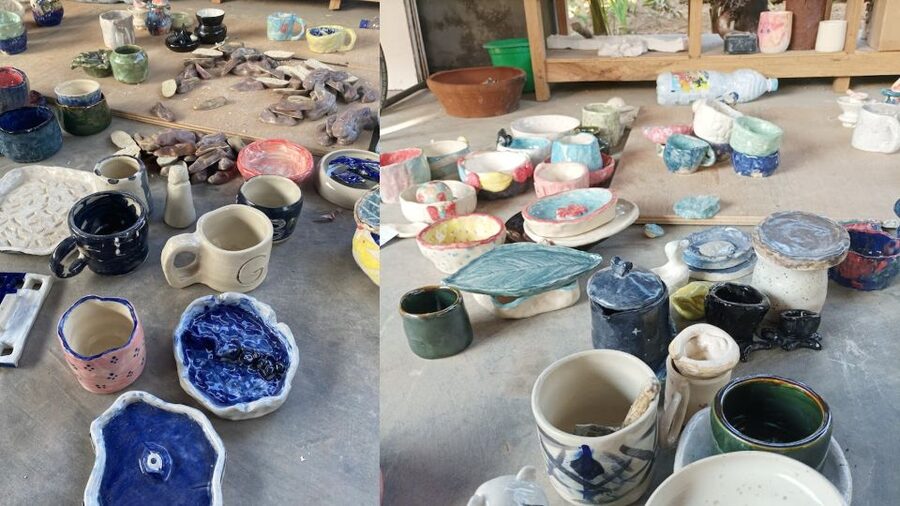
This is a strong pick if you want a calm, practical introduction to pottery and don’t mind getting your hands dirty. It works particularly well for beginners, couples, and people looking for a creative break from Ubud’s usual sightseeing. The instructor’s patient guidance and private-group format can make the activity feel personal rather than rushed.
It may be a poor fit if your schedule leaves no time for the pottery to be finished, or if you expect to carry a completed object home the same day. The class is about the making as much as the result. You’ll need to be comfortable with a wait and with the possibility that your first attempt may come out a little wonky. That’s part of learning pottery, and a lopsided bowl still has character.
Should you book it?
I’d book this class if you have three hours to spare, want to try both hand-building and the wheel, and can leave enough time for firing and collection. The generous clay allowance, included glazing, and patient instruction make it a good-value way to learn a new skill rather than just watch a craft being demonstrated.
Before booking, check the meeting point and ask how long finished pieces are currently taking. If you’re leaving Bali soon, confirm whether shipping is available and what it costs. With that timing sorted, this is an easygoing, hands-on addition to an Ubud stay.
FAQ
How long is the pottery class?
The class lasts three hours. Check availability for the starting times offered on your date.
How much clay is included?
You receive 2 kg of clay, which gives you room to make more than one piece.
Can I try both hand-building and the pottery wheel?
The class may include both techniques. Participants have made pieces using hand-building and wheel-throwing, but ask your instructor about the plan for your session.
How many pottery items are fired?
Firing for two items is included.
Can I take my pottery home immediately?
No. The pieces need time to dry and be fired. The activity advises leaving at least four days before your trip ends if you want to take your work home.
Is instruction available in English?
Yes. The instructor teaches in English, and an English audio guide is also listed as included.
Are meals included?
No. Meals are not included in the class.
Fresh listings around Ubud
- Tour the island of Bali with expert tour guides in Spanish.★ 5.0 · 7 reviews
- Tour full day ubud, water fall,coffe atv,and rice paddy★ 5.0 · 6 reviews
- The Authentic Balinese Cooking Experience★ 5.0 · 4 reviews
- Sunrise Café and Morning Yoga Class★ 5.0 · 5 reviews
- Private Ubud Tour With Professional Photographer with Edit★ 5.0 · 53 reviews
- Quad Bike Bali With Tunnel & Waterfall Tour★ 4.2 · 8 reviews
- Private Ubud Tour: Sacred Monkeys, Coffee, Temple, Waterfall★ 4.8 · 3 reviews
- Private Silver jewelry Making Class With Master★ 5.0 · 3 reviews
Ubud Art Classes, compared.
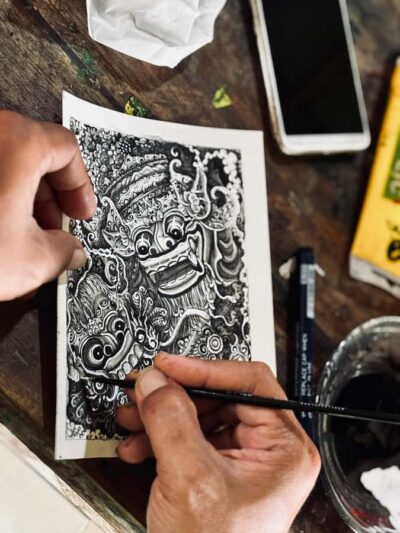
Threads of Tradition Miniature Keliki Painting Workshops
Read our review →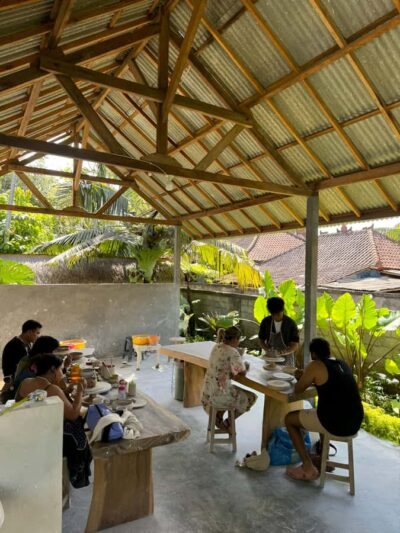
Browse the lists this tour appears in