
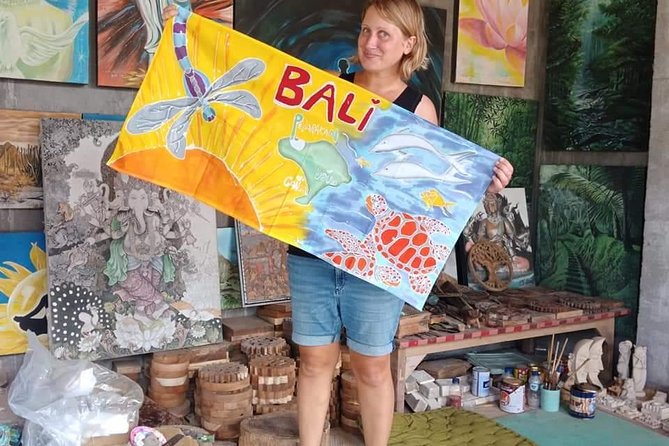
Reviewed · UBUD ART CLASSES
Crafting Heritage Batik Painting Workshops
Batik turns a few simple materials, fabric, hot wax, and dye, into a design with a clever twist: wax protects parts of the cloth while you color the rest. At Five Arts Studio outside Ubud, you make your own piece from the first sketch to the final dyeing, with an instructor nearby to guide you.
I like two things here: you do the work yourself, rather than just watching a demonstration, and the class takes place in an artist’s family compound, giving the craft a more personal setting. It’s also a practical souvenir: your own handmade work, not another shop-bought trinket.
One consideration: batik takes patience, and the wax and dye stages can be trickier than they look. The workshop lasts about three hours, and the group can reach 30 people, so you may not have one-on-one attention throughout.
Key points before you book
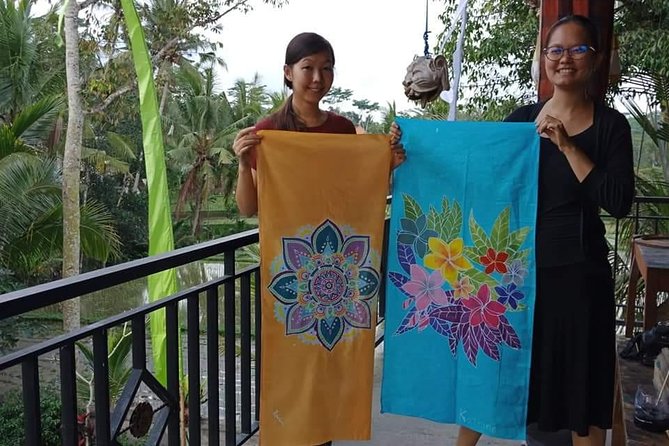
- The wax is the key: It blocks dye from selected areas, leaving the original fabric color visible when the wax is removed.
- You can choose your design: Bring an idea or use one of the studio’s suggested motifs.
- Beginners are welcome: Instructors guide you through the process, and all materials are supplied.
- Expect a hands-on afternoon: The workshop takes about three hours at Five Arts Studio in Keliki, outside Ubud.
- Tea, coffee, snacks, and water are included: Lunch is available to order separately, and alcohol can be purchased.
- The group may be large: The stated maximum is 30 people, though class sizes can vary.
At Five Arts Studio, batik begins with wax
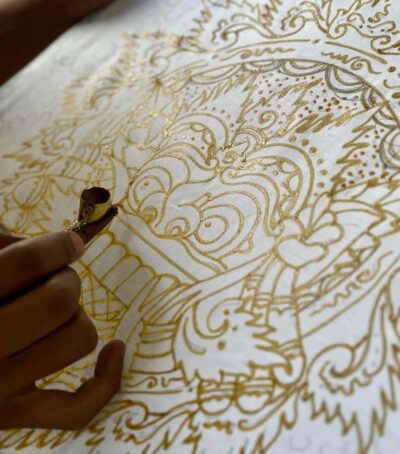
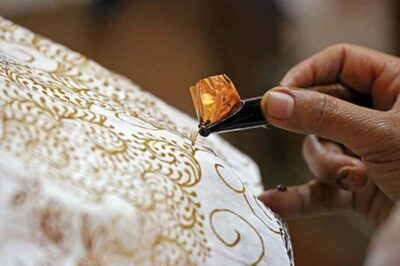
Batik is a form of hand-painted fabric art with a distinctive method. You sketch a pattern, draw its outlines onto fabric with hot wax, then apply dye to selected sections. The wax keeps the dye from coloring the areas it covers. Once the wax is washed away, those protected parts retain their original color.
That process is easy to understand in theory, but the hands-on part asks you to slow down. Wax can land where you did not intend, and coloring within a design takes care. The point is not to produce a flawless print. It is to see how the materials behave and make a piece that carries your own marks.
The studio supplies the materials, so you do not need to bring art equipment. You can work through each stage yourself, with guidance from the instructors. If you already have a motif in mind, you can bring it along; if not, the studio has suggested designs to help you get started. Some designs are simpler than others, so it’s worth choosing one that suits the time and patience you have.
More art classes around Ubud:
- 3 Hours Batik Making Classes in Ubud
★ 5.0 · 203 reviews - Ubud: Ceramic Pottery Class with 2 kg Clay
★ 4.8 · 91 reviews - Outskirts of Ubud, Gianyar: Pottery Class
★ 5.0 · 9 reviews
A family compound, not a showroom
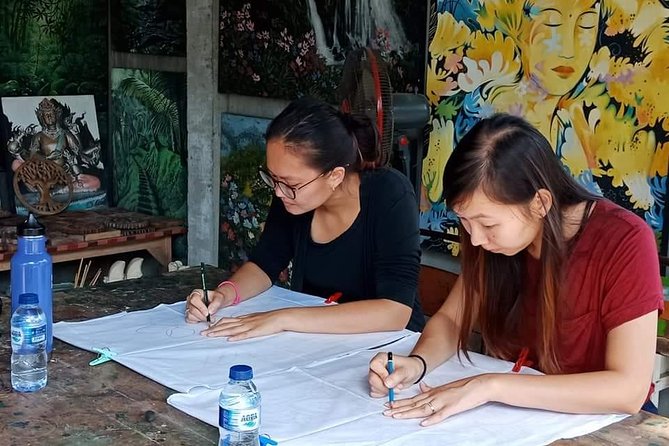
The workshop is held at Five Arts Studio in Keliki, in a family home compound outside Ubud. That setting is part of the appeal. You are learning in a working artistic space, rather than in a large, polished attraction designed only for quick demonstrations.
The studio is described as casual but comfortable, and the class is led by a master artist with support from the team. Past participants have named instructors including Dika and Agong, but you should not count on a particular person leading your session. The useful thing is the format: you get instruction, but you are still encouraged to make choices and put your own touch on the design.
Some classes may include families, children, local artists, or other visitors. The group limit is 30, which is a fairly generous cap for an activity that involves individual creative work. If a full group matters to you, ask the provider about the expected class size before booking. At the other end of the scale, a small class can mean more personal guidance, though it may feel quieter than a group workshop.
From first sketch to finished cloth
The workshop is scheduled for about three hours. That gives you time to move through the main stages without treating the class like a rushed craft stop. The exact pace may depend on your design and how quickly you work.
You begin by sketching a design, either from your own idea or from the studio’s suggestions. This first choice shapes the rest of the session. A simple motif can leave you more room to experiment with color; a detailed pattern may demand a steadier hand and more time.
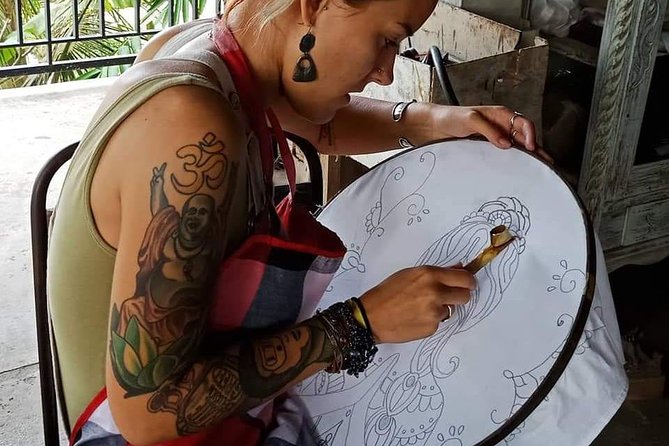
Next, you trace the design onto the fabric using hot wax. This is the part that gives batik its defining look and also calls for concentration. The wax lines act as barriers, keeping dye out of the areas you want to preserve. If a line goes astray, it may become part of the finished piece, so patience helps. The class is not a test of drawing skill, and the instructors can guide you if you need a hand.
Then you apply colorful dyes to selected areas. The process lets you make choices about color and how it meets the wax outline. The wax is washed off to reveal the protected fabric beneath. The description does not specify how long the finished pieces take to dry or how they are packaged, so ask the studio if you need to know how your work will be handled before you leave.
The process is a good fit for someone who enjoys making things, but you do not need to arrive as an artist. The most useful skill is a willingness to keep going if the result differs from the picture in your head. A crooked line or unexpected patch of color may be a nuisance in the moment, but it can also give the work its character.
What the three-hour price includes
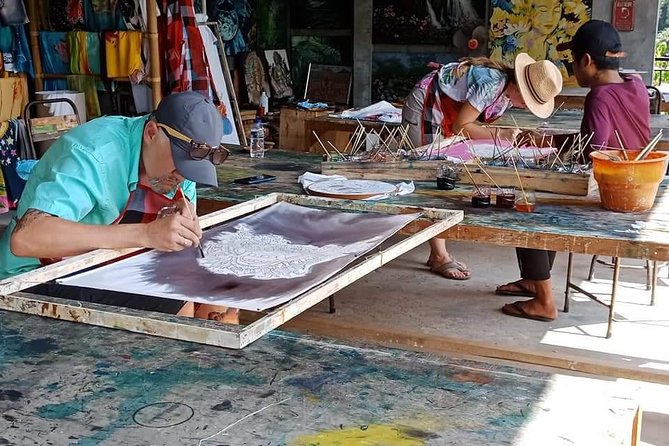
At $29 per person, the workshop includes the instruction and materials needed to make your own batik, along with snacks, coffee or tea, and mineral water. For a three-hour class, that is a reasonable package, especially if you value guided, hands-on activities and want to leave with a personal keepsake.
Lunch is not included, but local food is available to order. Alcohol is also available for purchase. Those extras are optional, so you can keep the cost close to the listed price if you have eaten beforehand or are planning a meal elsewhere.
The value here is less about the amount of fabric you take home and more about learning the steps behind the finished art. You see why batik takes time, try the wax-and-dye method yourself, and leave with a piece you made. If you only want a quick demonstration or a low-effort break, a three-hour class may be more than you need. If you want an activity that gives you something to do as well as something to remember, the price makes sense.
The experience is rated 5 out of 5 from 164 ratings, with 99 percent recommending it. Those numbers are encouraging, though they cannot guarantee the class will suit everyone. The most consistent strengths are the patient help, relaxed atmosphere, and satisfaction of making something by hand. The main caution is practical: batik is more fiddly than it may look, and a finished piece may not match your original plan exactly.
More hands-on workshops around Ubud:
- Hands-On Silver Jewelry Making Near Ubud’s Monkey Forest
★ 4.9 · 1,789 reviews - Ubud Cooking Class Bali with Balinese Chef
★ 5.0 · 1,609 reviews - Ubud Silver Class Jewelry making in bali
★ 5.0 · 978 reviews - Ubud: Cooking Class with Transfers and Optional Market Visit
★ 4.9 · 824 reviews
Getting there and planning your visit

The meeting point is Five Arts Studio, Jl. Raya Keliki, Keliki, Tegallalang, Gianyar, Bali 80561. The activity ends back at the same place. The studio is outside central Ubud, and the booking details do not include transport, so plan your own way to the meeting point and allow enough time to arrive.
The workshop is offered with a mobile ticket, and confirmation is received at booking. It is listed as near public transportation, but no specific route or timetable is provided. Check your transport options for your chosen date rather than assuming that the studio is a short walk from your accommodation.
The activity information says participants should have a strong physical fitness level. It does not explain what that requirement involves, so if you have concerns, contact the provider before booking. Service animals are allowed. Free cancellation is available up to 24 hours before the start time; cancellations or changes made within 24 hours are not accepted, and the experience is not refunded.
Who will enjoy this batik class
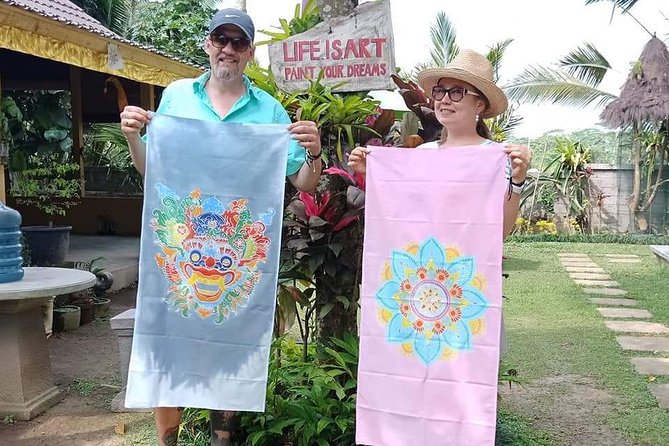
This is a good choice if you like learning by doing, want a cultural activity that is more involved than a short demonstration, or are looking for a souvenir with a story behind it. It can suit beginners and families: an instructor has helped a six-year-old through the process, and families have made the class an afternoon activity together.
You may also enjoy it if you are curious about traditional Indonesian art but do not consider yourself artistic. The guidance is there to get you through each stage, and the open-ended process gives you room to experiment. Go in aiming to enjoy the making, not to produce a perfect piece.
It is less suited to a tight schedule or anyone who wants a polished result with little effort. Three hours is a meaningful block of time, and the work requires attention. If you prefer to observe rather than create, or would feel frustrated by an imperfect line, another Ubud activity may be a better fit.
Should you book the Five Arts Studio workshop?
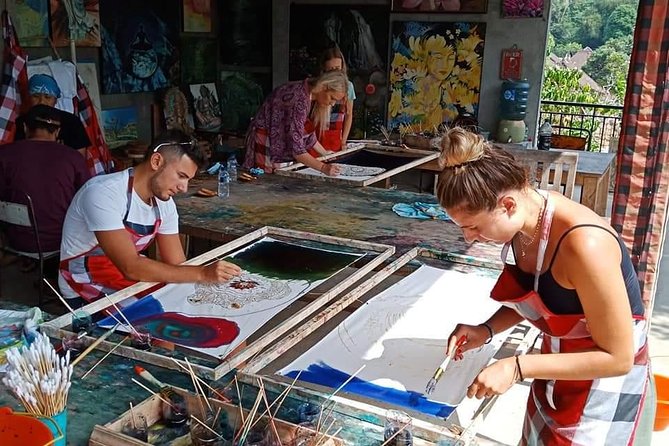
Book it if you want a relaxed, hands-on way to learn how batik works and are happy to let a few happy accidents into your design. The family-compound setting, patient instruction, included materials, and take-home artwork make this a worthwhile use of an afternoon for curious beginners and creative families.
Skip it if you have little time, want a guaranteed perfect souvenir, or would rather not spend several hours concentrating on a craft. If you go, choose a design that feels manageable, bring an idea if you have one, and treat the result as a record of the process, not an art exam.
FAQ
How long is the batik workshop?
It lasts about three hours.
Where does the workshop take place?
It takes place at Five Arts Studio, Jl. Raya Keliki, Keliki, Tegallalang, Gianyar, Bali 80561.
What is the price?
The listed price is $29 per person.
Are materials included?
Yes. The materials needed to make your own batik are included.
Is the class suitable for beginners?
Yes. The activity is described as suitable for beginners as well as people with artistic experience, and instructors guide you through the process.
Can I bring my own design?
Yes. You can bring your own idea or choose from the studio’s suggested motifs.
What refreshments are included?
Snacks, coffee or tea, and mineral water are included.
Is lunch included?
No. Lunch is available to order separately, and alcohol is available to purchase.
Where does the activity end?
It ends back at the meeting point, Five Arts Studio.
Can I cancel for a refund?
You can cancel at least 24 hours before the start time for a full refund. Cancellations or changes made less than 24 hours before the start time are not accepted, and no refund is provided.
More history tours around Ubud
- Private Jatiluwih Rice Terraces Heritage Site and Culture Tour
★ 5.0 · 21 reviews - UNESCO World Heritage Tour
★ 5.0 · 13 reviews - Bali: Green and Heritage West Trip Private Tour, Luxury Car
★ 5.0 · 6 reviews
Fresh listings around Ubud
- Tour the island of Bali with expert tour guides in Spanish.★ 5.0 · 7 reviews
- Tour full day ubud, water fall,coffe atv,and rice paddy★ 5.0 · 6 reviews
- The Authentic Balinese Cooking Experience★ 5.0 · 4 reviews
- Sunrise Café and Morning Yoga Class★ 5.0 · 5 reviews
- Private Ubud Tour With Professional Photographer with Edit★ 5.0 · 53 reviews
- Quad Bike Bali With Tunnel & Waterfall Tour★ 4.2 · 8 reviews
- Private Ubud Tour: Sacred Monkeys, Coffee, Temple, Waterfall★ 4.8 · 3 reviews
- Private Silver jewelry Making Class With Master★ 5.0 · 3 reviews
Ubud Art Classes, compared.
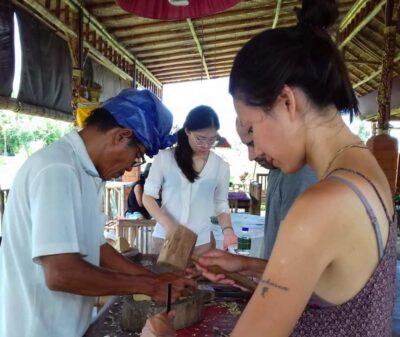
Threads of Tradition Miniature Keliki Painting Workshops
Read our review →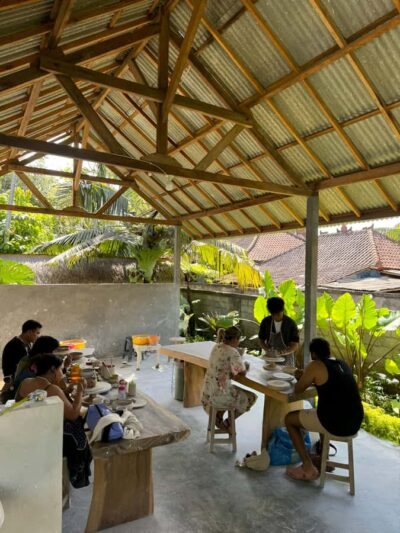
Browse the lists this tour appears in