
Reviewed · UBUD YOGA RETREATS
Ubud: Soul Retreat & Holistic Mantra Healing Experiences
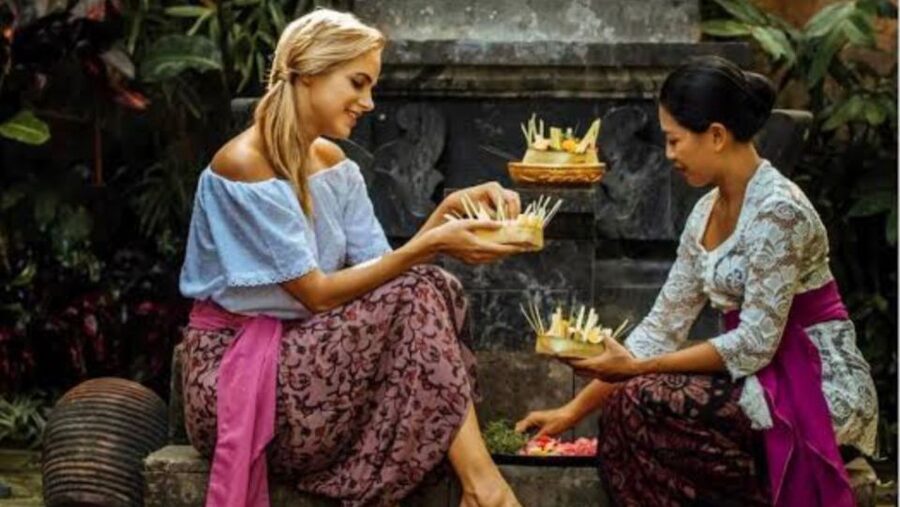
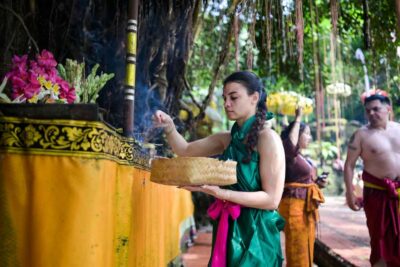
At the heart of this Ubud retreat is a holy spring purification at Pura Mangening, guided step by step by a local host. Before you enter the water, you make a Canang Sari, a small floral offering used in everyday Balinese Hindu practice, then bring it to the temple with a prayer.
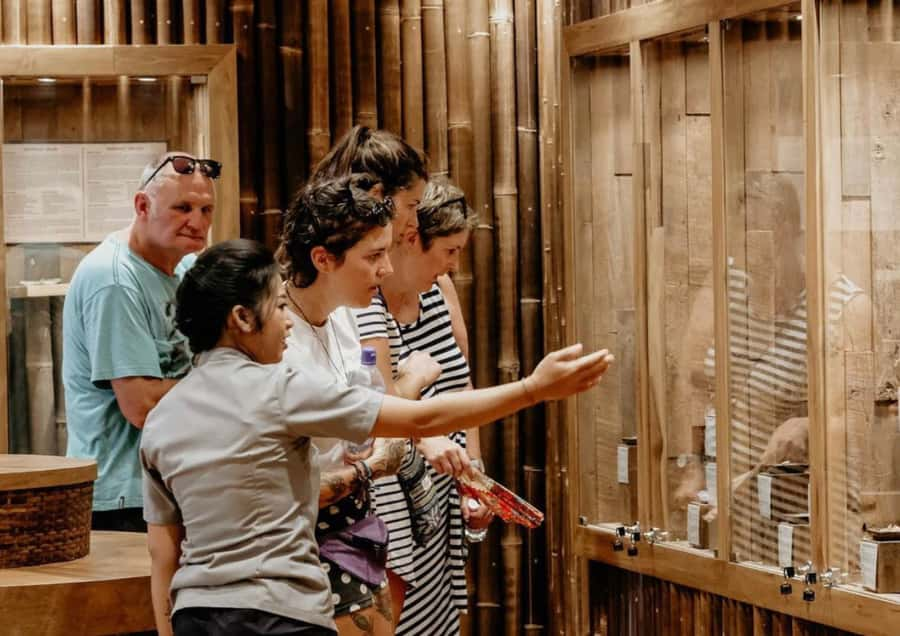
I like two things in particular: you learn the meaning behind the flowers and gestures instead of simply watching a ceremony, and the guide can explain Balinese customs as you go. Guides such as Gus, Dharma, Ketut, and Ade are often praised for their patience and storytelling, though your assigned guide will depend on the day.
The main consideration is that this is a spiritual and physical activity, not a quick temple photo stop. You will get wet, navigate stairs and uneven surfaces, and need to dress modestly. Lunch is not included in the $48 price, and the optional extras can add to the total.
What Makes This Ubud Retreat Special
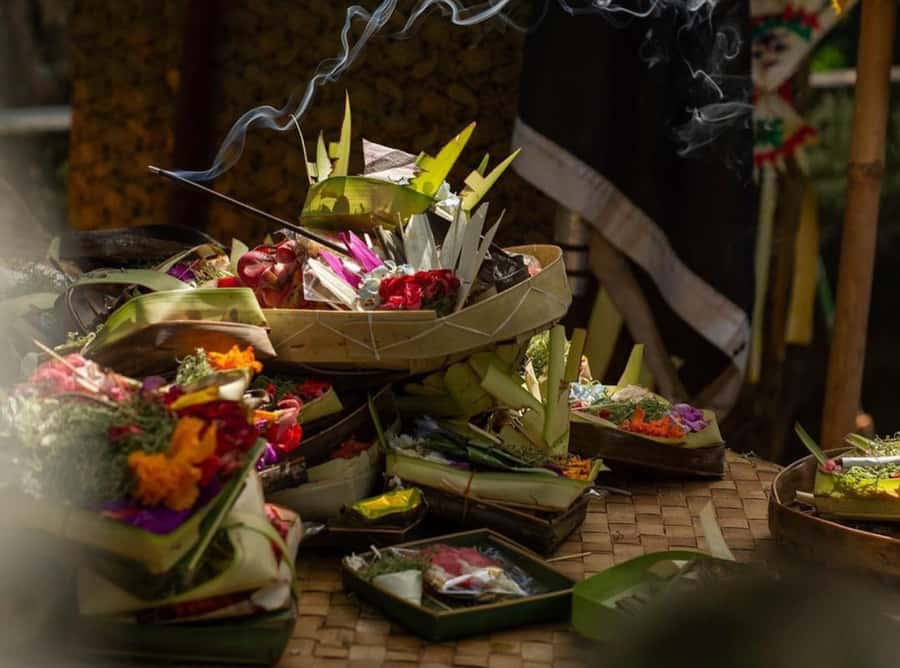
- Make a Canang Sari: Learn how leaves and flowers are arranged into a traditional offering, sometimes after a stop at a local market.
- Offer it at Pura Mangening: Your guide explains the temple ritual before you place your offering and pray.
- Join a holy spring purification: The water ritual is the day’s central spiritual activity, and your host guides you through its steps.
- Receive a Tridatu bracelet: A blessed bracelet is part of the temple experience.
- Get context from a local guide: The tour connects rituals with Balinese beliefs, history, and daily life.
- Plan for extras: Massage, coffee tasting, jungle swing, Polaroid photos, and a female guide may be available as add-ons.
Making an Offering, Not Just Looking at One
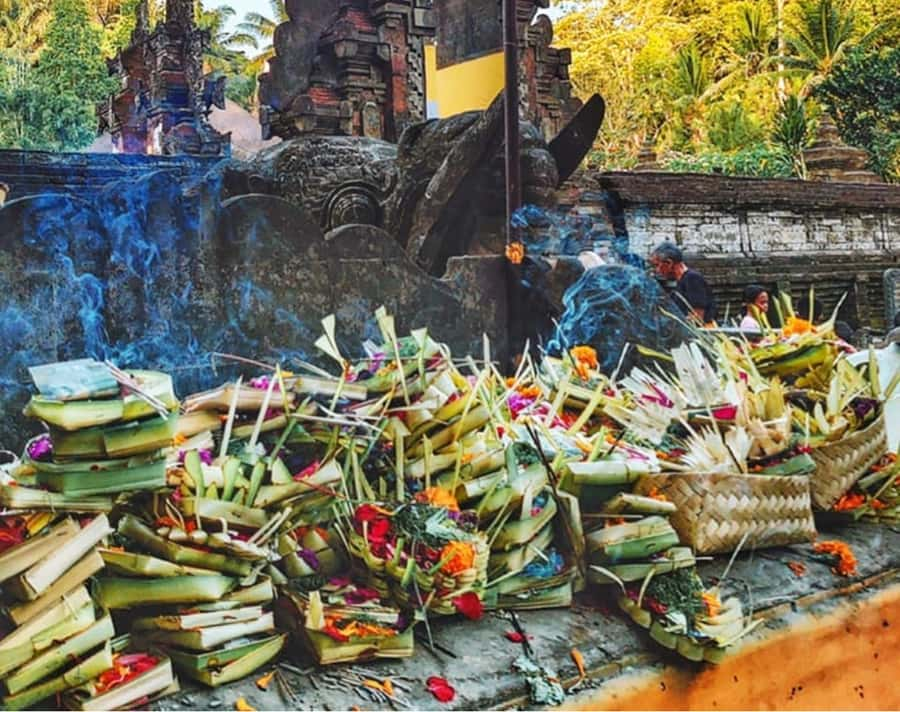
Canang Sari offerings are a familiar part of daily life in Bali. You may see them at temple gates, outside homes and shops, near statues, or on trees. Making one yourself gives you a better sense of the care involved and why these small arrangements matter.
The activity may start at a Balinese compound or temple yard. Some guides instead take you to a local market, where you can see flowers and other materials being sold before learning to assemble the offering. The exact setting can vary, so don’t expect every departure to follow an identical script.
Your host explains how the flowers are arranged and what the offering represents. The point is not to make a perfect souvenir. It is to understand that these offerings are part of a living religious practice, made to express gratitude and maintain balance.
That hands-on start is one of the tour’s best features. You arrive at the temple with something you have made and some idea of its purpose, rather than approaching the ceremony as an outsider with no context. Guides have also been known to add a market visit or explain local produce along the way, but treat such stops as a possible variation, not a guaranteed part of the schedule.
More yoga sessions around Ubud:
- Taman Beji Griya Waterfall: Holy Bathing/Soul Retreat Ritual
★ 4.8 · 634 reviews - Bali: Ubud Sound Yoga & Energy Healing Experience
★ 4.8 · 112 reviews - Bali: Ubud Yoga and Healing Meditation
★ 4.9 · 111 reviews
Pura Mangening and the Temple Offering
At Pura Mangening, you bring your Canang Sari as an offering and take part in a short prayer. Incense smoke rises as part of the ritual, and your guide explains what is happening before it begins. That preparation matters: it gives you a chance to follow respectfully and ask questions rather than guess at the right moment to act.
Pura Mangening is a smaller temple setting than the better-known Tirta Empul. The less familiar name is part of its appeal for visitors looking for a quieter encounter, though conditions can change and no temple can be promised as empty.
Temple customs deserve care. Cover your shoulders and knees, keep your voice low, avoid pointing your feet toward shrines, and follow your host’s instructions. The tour is an invitation to take part respectfully, not a performance staged for visitors.
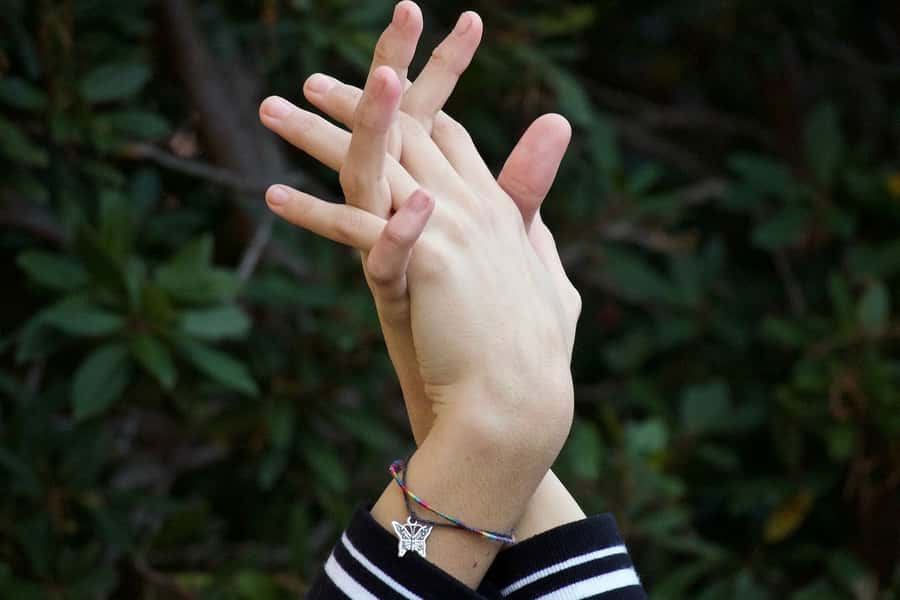
You receive a blessed Tridatu bracelet during the temple visit. The bracelet is a tangible reminder of the experience, but the deeper value comes from learning how gratitude and offerings fit into everyday Balinese religious life.
The Holy Spring Purification
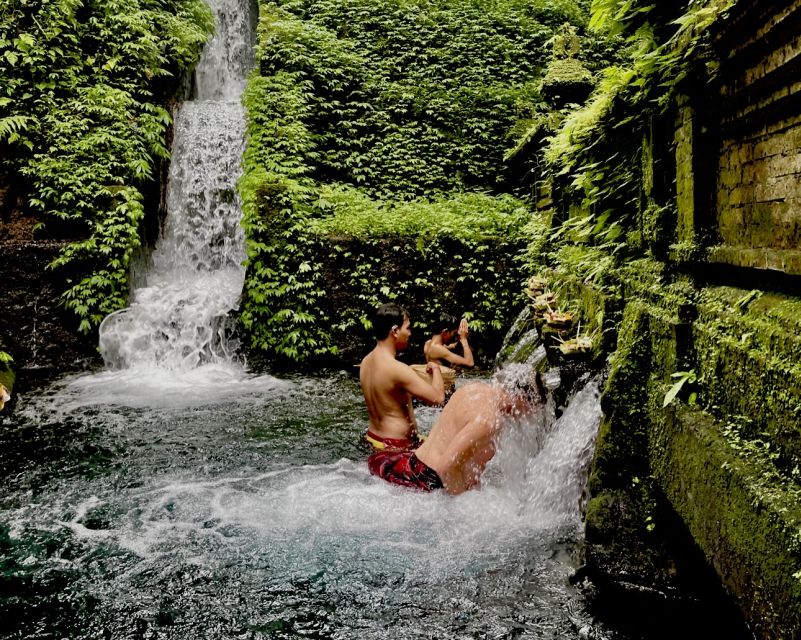
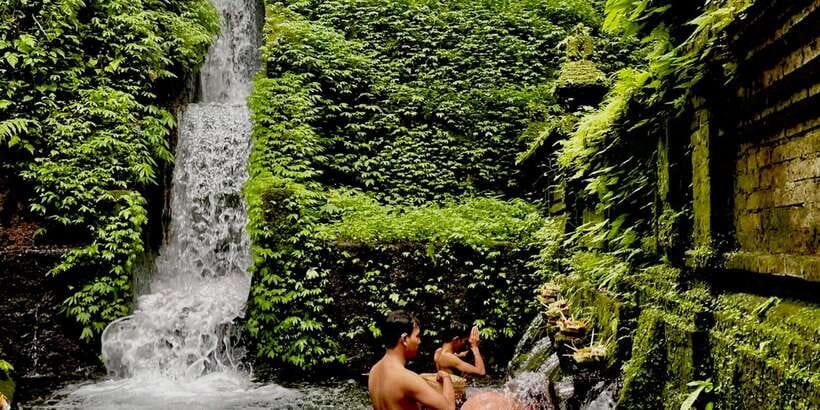
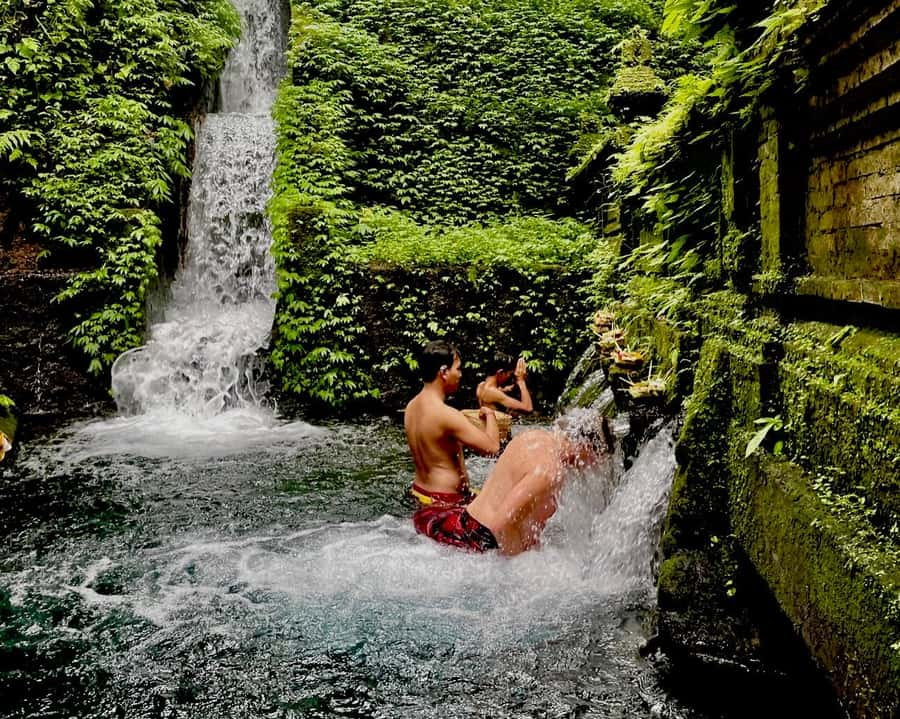
The purification ritual, often called melukat, is the most physically involved part of the day. Your host explains the sequence and guides you through the temple’s holy spring, where you take part in the cleansing ritual and repeat mantras. The tour also introduces basic holistic mantra healing for self-awakening.
Approach this as a cultural and spiritual practice, not as a medical treatment. The experience can feel personal, and people may respond to it in different ways. You do not need to arrive with a particular belief, but you should be willing to participate thoughtfully and respect the ritual’s religious meaning.
Bring a change of clothes, a towel, and a waterproof bag for your belongings. You will get wet, and the temple has stairs and uneven surfaces. Comfortable shoes are useful for getting around, though you may need to remove them where temple rules require it.
There are also important restrictions. People who are actively menstruating are not permitted to enter the temple, and the activity is not suitable for pregnant people, wheelchair users, or those with mobility impairments. It is listed as unsuitable for children under nine and people over 70 as well.
A Guide Makes the Difference
The local host is central to this experience. A good guide does more than escort you between stops: they explain what each gesture means, prepare you for what will happen next, and help you understand how Balinese Hindu customs connect to daily life.
Names that have come up often in connection with this tour include Gus, Dharma, Ketut, Ade, Agus, and Suker. Travelers who have spent the day with these guides describe patient explanations, warm conversation, and careful support during the purification. You cannot select a particular guide unless the operator confirms that option, but the tour’s strongest feature is the local guide’s role as teacher and cultural interpreter.
Some guides also take photos during the day. A Polaroid camera with 10 photographs is listed as an optional add-on, so check what is included in your chosen booking. If you prefer to keep the day private, say so before photos are taken.
The tour may be personalized, and guides have adjusted routes to suit requests or schedules. That flexibility is useful, but it is wise to ask before booking what changes are possible and whether they affect the six-hour duration or add extra costs.
More spa and massage sessions around Ubud:
- Body Massage Experience in Ubud Traditional Spa
★ 5.0 · 3,506 reviews - Ubud: Riverside Spa Treatment near Bali Zoo
★ 4.9 · 315 reviews - Ubud Tour – Balinese Healing By Shaman And Self Purification
★ 5.0 · 236 reviews - Ubud: Spiritual Cleansing, Palm Reading, & Trauma Healing
★ 4.5 · 217 reviews
Lunch, Art, and Optional Stops
The day is scheduled to end with lunch at an art lounge in Ubud, a space that brings together food, art, design, and lifestyle. The setting is meant to connect Balinese artistic practice with the idea of art as an offering. It can be a thoughtful way to finish a day focused on devotion and creative expression.
But lunch is not included in the tour price. Budget separately for your meal and any personal spending. The $48 starting price covers the core experience, not every expense you may have during the day.
Depending on the options you select, add-ons can include a one-hour or two-hour traditional massage, a female guide, luwak coffee tasting, or a jungle swing and coffee stop. Some itineraries may also include a coffee plantation or other local stops, but these additions should not be assumed unless they are confirmed for your booking.
These extras can turn a temple visit into a longer day of varied activities, but they also change the character of the tour. If your main goal is cultural understanding and the purification ritual, the core route may be enough. If you want a massage or coffee tasting, check the price and timing before choosing an add-on.
Is $48 Good Value?
For six hours, $48 is a reasonable starting price if you value a guided cultural experience. The price includes entry fees, mineral water, and hotel pickup and drop-off in specified areas. You are also paying for interpretation and guidance through a ritual that would be difficult to understand fully by simply arriving at a temple on your own.
The value depends on what you expect. This is not a six-hour sequence of included attractions and meals. Lunch is extra, personal spending is not covered, and certain appealing activities, such as massage or coffee tasting, are optional add-ons. If you want a polished day of sightseeing with every cost bundled in, confirm the details carefully before booking.
Transport is a practical plus. Pickup is from the main lobby of your hotel, and the tour has a strong transport rating. Check that your accommodation is within the specified pickup area, since return transfer is not described as available everywhere.
The experience has flexible booking terms: you can reserve now and pay later, and cancellation is free up to 24 hours in advance. Check the current starting times when you choose a date. The tour lasts about six hours, though weather or a changed route may affect the order of activities.
What to Bring and How to Prepare
Dress for both a temple and a water ritual. Shoulders and knees should be covered, and you should bring comfortable clothes that can get wet. Pack a towel, a change of clothes, and a waterproof bag for your phone or camera.
Bring cash for personal expenses and optional temple donations. Donations are not described as mandatory, but having cash gives you flexibility. A camera is useful, though you may prefer to keep it put away during parts of the ceremony.
Weather can alter the plan. Rituals may continue in light rain, while heavy rain can lead to a change in the activity sequence. Pets, alcohol, and drugs are not allowed.
Who Should Book This Tour?
This is a good fit if you want more than a quick temple visit and are curious about Balinese spiritual practice. It suits solo visitors, couples, and small groups who are comfortable asking questions, following local guidance, and taking part in a religious ritual respectfully.
It is especially worthwhile if you want to understand the small offerings you see around Bali. Making a Canang Sari, hearing why it is offered, and then carrying it into the temple gives the day a clear thread from everyday custom to sacred practice.
It is less suitable if you want a purely sightseeing-focused outing, prefer to stay dry, or have trouble with stairs and uneven ground. The age, pregnancy, mobility, and menstruation restrictions are important, so check them before booking rather than discovering them at the temple.
Book it if you are open to a hands-on cultural experience and can manage the physical demands. Before you pay, confirm the pickup area, any add-ons you want, and whether your route includes a market or begins at a compound or temple yard. That small bit of planning helps you know what the $48 covers and keeps the day focused on the part that matters most to you.
FAQ
How long is the Ubud retreat?
The activity lasts six hours. Starting times depend on availability for your selected date.
What is included in the $48 price?
The core price includes temple entry fees, mineral water, and hotel pickup and drop-off in specified areas. Lunch and personal expenses are not included.
Will I get wet during the tour?
Yes. You will get wet during the purification ritual at the holy spring. Bring a towel, a change of clothes, and a waterproof bag for personal items.
What should I wear to the temple?
Dress modestly with your shoulders and knees covered. Comfortable shoes and clothes suitable for getting wet are recommended.
Who cannot take part in the temple ritual?
People who are actively menstruating are not permitted in the temple. The tour is also listed as unsuitable for pregnant people, people with mobility impairments, wheelchair users, children under nine, and people over 70.
Can I cancel or reserve without paying right away?
Yes. You can reserve now and pay later, and you can cancel up to 24 hours in advance for a full refund.
Fresh listings around Ubud
- Tour the island of Bali with expert tour guides in Spanish.★ 5.0 · 7 reviews
- Tour full day ubud, water fall,coffe atv,and rice paddy★ 5.0 · 6 reviews
- The Authentic Balinese Cooking Experience★ 5.0 · 4 reviews
- Sunrise Café and Morning Yoga Class★ 5.0 · 5 reviews
- Private Ubud Tour With Professional Photographer with Edit★ 5.0 · 53 reviews
- Quad Bike Bali With Tunnel & Waterfall Tour★ 4.2 · 8 reviews
- Private Ubud Tour: Sacred Monkeys, Coffee, Temple, Waterfall★ 4.8 · 3 reviews
- Private Silver jewelry Making Class With Master★ 5.0 · 3 reviews
Ubud Yoga Retreats, compared.
Taman Beji Griya Waterfall: Holy Bathing/Soul Retreat Ritual
Read our review →
Healing and Aura Cleansing Tour with Yoga & Meditation
Read our review →

Wellness Retreat with Massage, Yoga Class, and Lunch
Read our review →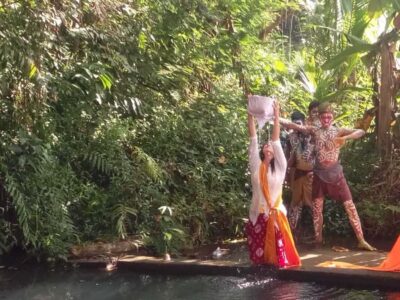

Browse the lists this tour appears in