
Reviewed · KARANGASEM TOURS
Mount Rinjani 3D/2N Full Mt Rinjani Summit
Mount Rinjani’s big reward comes at sunrise, after a hard climb in the dark: from the 3,726-meter summit, you can look across the volcanic crater toward Lake Segara Anak, with views extending to Bali and the Gili Islands when conditions allow. This three-day route pairs that summit push with a night beside the lake and a second camp on the Senaru crater rim.
I like two things in particular: the changing route, from Sembalun’s open grasslands to crater forest, and the chance to soak in hot springs beside the lake. I also value that porters carry the shared camping and cooking gear, while guides can adjust the pace to the group. The trade-off is real: this is a demanding trek with a very early summit start, steep rocky sections and high-altitude exposure.
At a glance: three days, two crater-rim camps
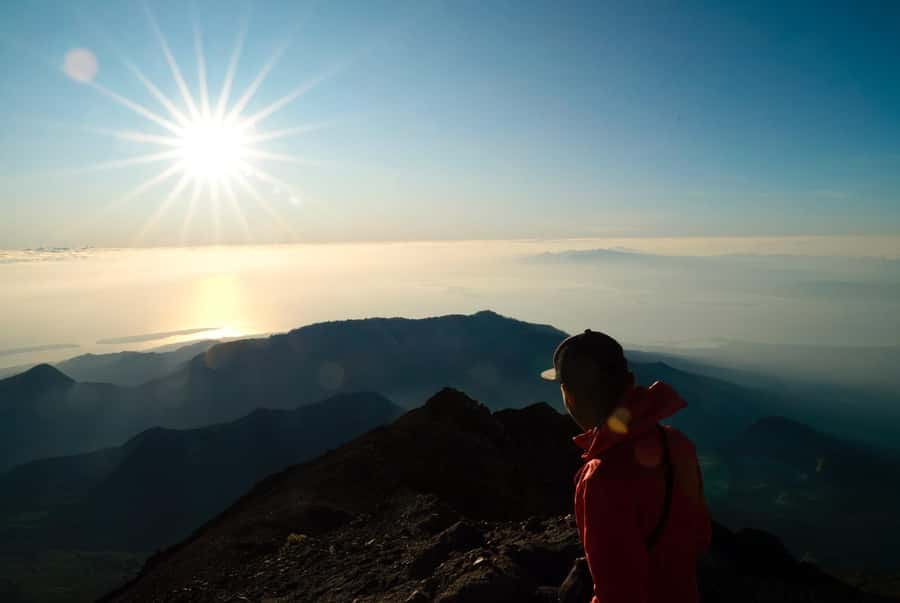
- The summit comes before dawn: Leave camp at about 3am for the climb to Rinjani’s 3,726-meter high point, aiming to arrive around sunrise.
- The route crosses two sides of the volcano: Start on Sembalun’s open slopes, descend to Lake Segara Anak, then climb to Senaru Crater Rim for the second night.
- The lake stop includes hot springs: You have time for lunch by the water and a short soak before tackling the steep trail out of the crater.
- Porters carry shared equipment: Tents, cooking gear and food are included, along with a toilet tent, sleeping bags and mattresses. You still need your own day pack and hiking shoes.
- You camp at altitude twice: The first campsite is Sembalun Crater Rim at 2,639 meters. The second is Senaru Crater Rim at 2,641 meters.
- The group is limited to 10: English- and Indonesian-speaking guides lead the trek. Names connected with recent treks include Acip, Anto and Nas, but you should not assume you will have a particular guide.
Day one: grassland climbs to Sembalun Crater Rim
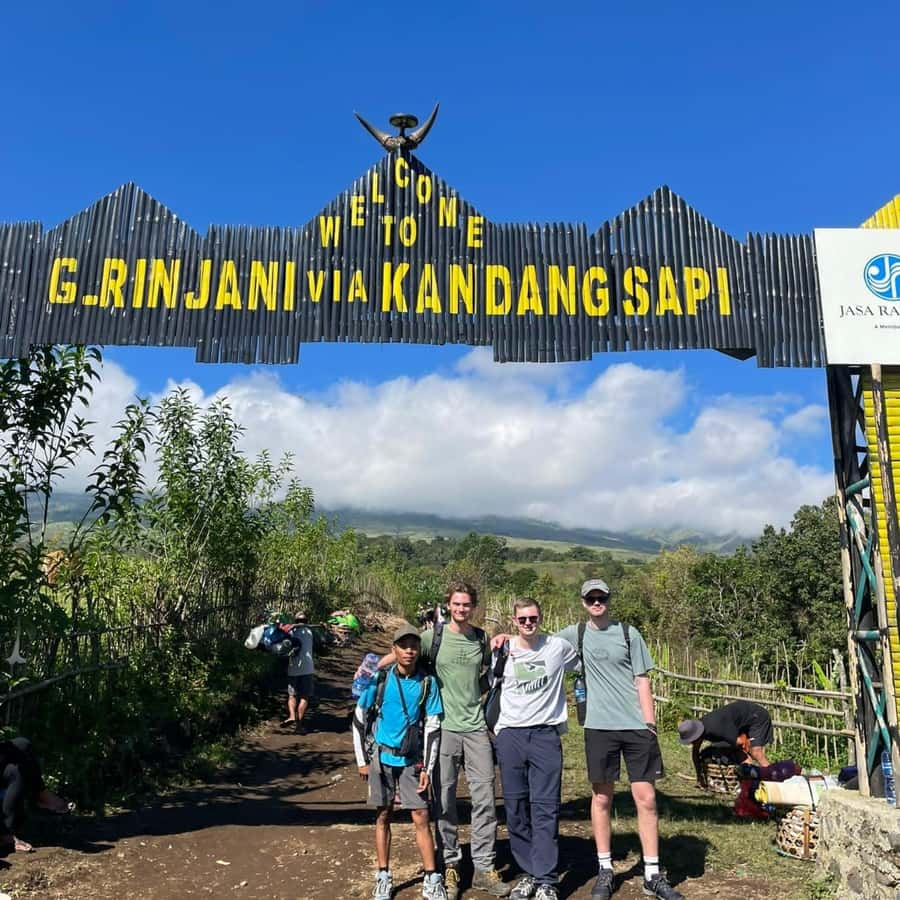
The day begins with a 7am pickup in Senaru, followed by a 4WD ride to Sembalun. There, you register at the Rinjani Trek Centre, at 1,156 meters, before setting off on the trail. If you are staying elsewhere, check the pickup details before booking, since the itinerary specifies a Senaru pickup while the activity information also names Senaru and Sembalun as pickup locations.
The first stretch crosses open, rolling grassland. It is a gentler introduction than the steep climb that waits later, but it is exposed, so sun protection matters. You pass Pos 1 and Pos 2, with stops for rest and snacks, before a longer lunch break at Pos 3, at 1,800 meters.
After lunch, the path climbs steeply to Sembalun Crater Rim, at 2,639 meters. This is a substantial first day, and the altitude gain can make the effort feel sharper than the distance alone suggests. Take your time, drink water and let your guide know if you need to slow down.
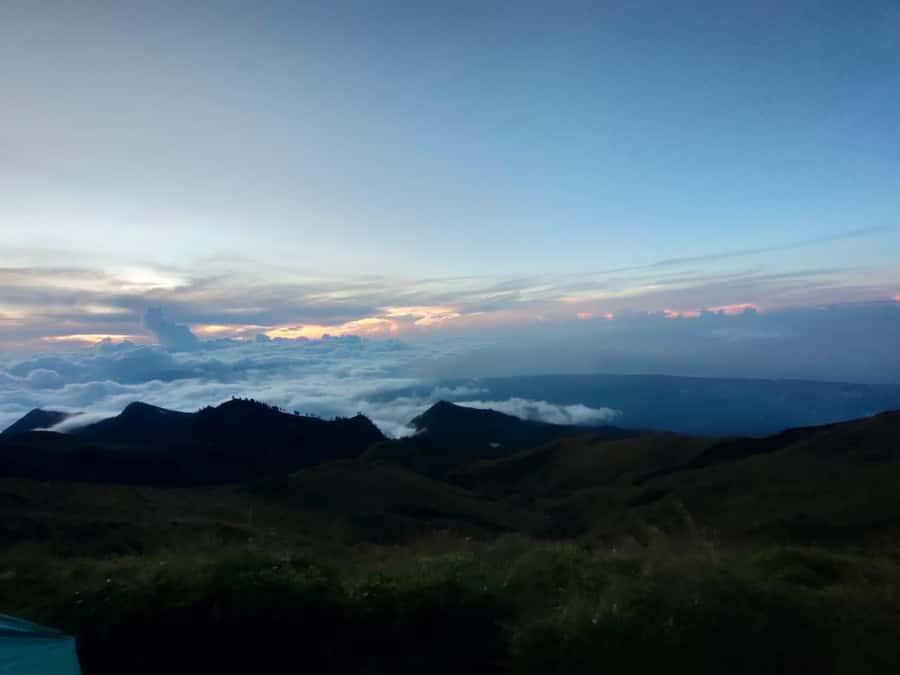
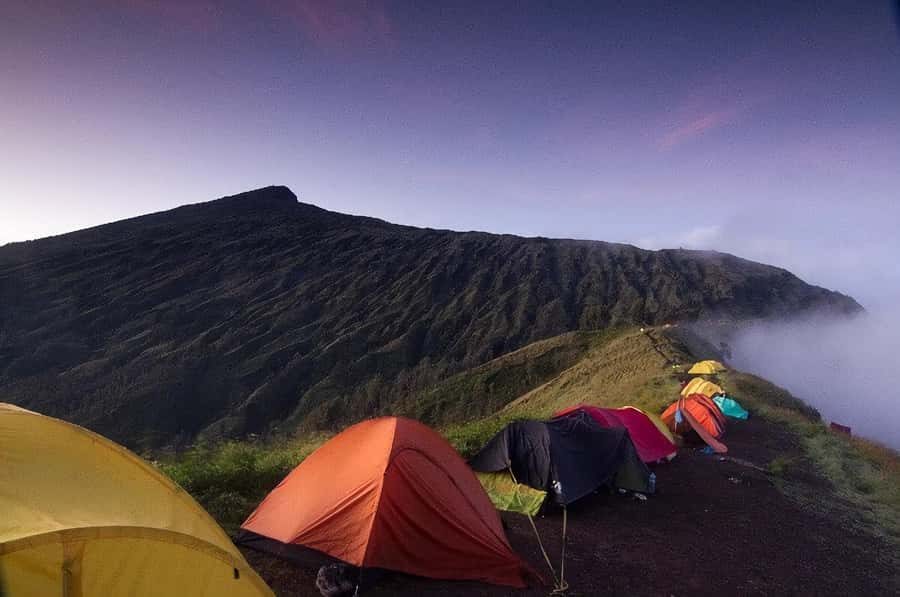
The campsite is the first major payoff. From the rim, you can see Lake Segara Anak below, the summit ahead and northern Lombok beyond. Sunset here sets up the next morning’s summit attempt, but it is also a good time to eat, organize your warm layers and rest. The summit start comes at about 3am, so this is not a night for staying up late to admire the view.
Other trips people book around Karangasem:
- Bali: Blue Lagoon Beach Snorkeling Tour with Lunch
★ 4.5 · 426 reviews - Bali/Amed: Underwater Temple Snorkeling Experience
★ 4.8 · 134 reviews - Bali: Snorkeling on 2 spots with Lunch and Transport
★ 4.8 · 123 reviews
Day two: summit sunrise, lake hot springs and a second rim
A light breakfast comes before the climb, which starts around 3am. The ascent to the 3,726-meter summit takes about three hours according to the itinerary, though your own pace and conditions will shape the timing. In one recent trek, the group began at 2:20am and reached the top at 5:20am. That gives you a useful sense of how early a fast group might move, but it is not a promised schedule.
This is the toughest stretch for many people. You are climbing in darkness and aiming for a high summit, so a headlamp, gloves, warm clothing and sturdy hiking shoes are practical essentials. The reward is a sunrise view across the crater and its lake, with the summit’s height offering broad views over the surrounding island and, when visibility permits, Mount Agung and the Gili Islands.
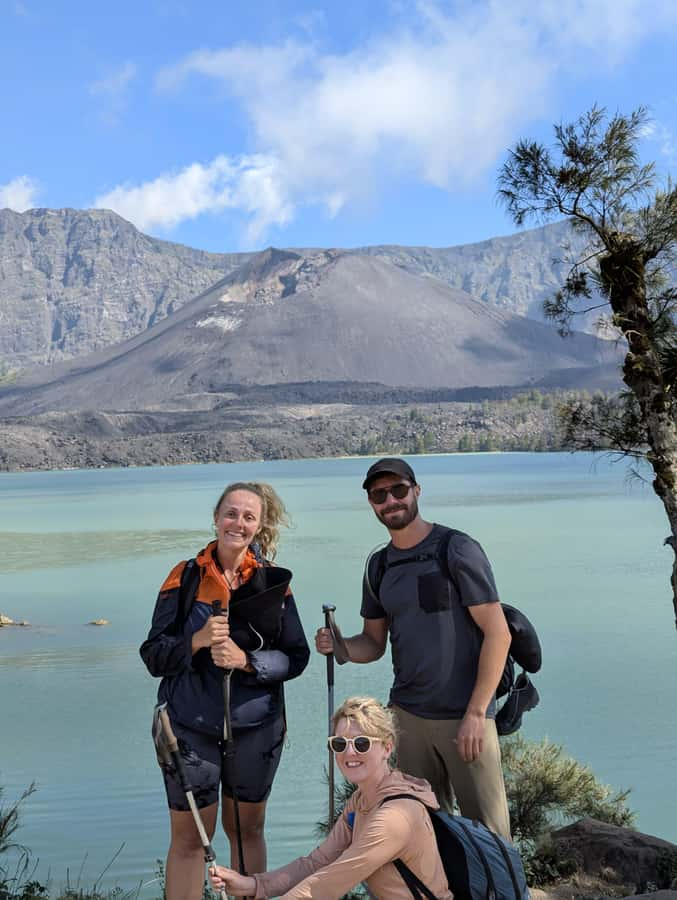
After returning to the first camp, you stop for a hot breakfast and a rest. Then comes a long descent into the crater, down to Lake Segara Anak at about 2,000 meters. The lake is a striking change of scene after the exposed upper slopes, and you have time for lunch on its shore. A short visit to the hot springs is part of the plan, with a chance to swim if conditions and your energy allow.
Do not mistake the lake stop for the end of the hard work. After lunch, the route follows the lakeshore before climbing out of the crater toward Senaru Crater Rim. The trail is described as steep and rocky, then passes through dense forest. By the time you reach the second campsite, at 2,641 meters, the day has included a summit climb, a long descent, a lakeside break and another uphill push.
The Senaru rim offers a different angle on the crater, looking back across the lake toward the summit and Gunung Baru, the small volcanic cone within the crater. You may also see Mount Agung in Bali and the Gili Islands from this vantage point. Dinner and a night at camp follow, with sunrise and sunset both listed as highlights from the rim.
Day three: a long descent through forest to Senaru
After breakfast, you begin the descent to Senaru, passing Pos 3, Pos 2 and Pos 1. The route takes about four to five hours, with a longer lunch break along the way, and the expected arrival in Senaru is around 1pm.
As you lose altitude, the forest grows thicker and lusher. That change makes the final day feel very different from the open Sembalun slopes, but it does not make the descent effortless. Your legs will already have done a lot of work, and a steady pace is more useful than rushing to finish.
Transport after the trek is listed to Bangsal Harbour, Senggigi and Mataram. If you need another destination, confirm arrangements before setting out. Luggage storage is included, which is useful if you have left larger bags behind while carrying only what you need on the mountain.
What the $224 price covers
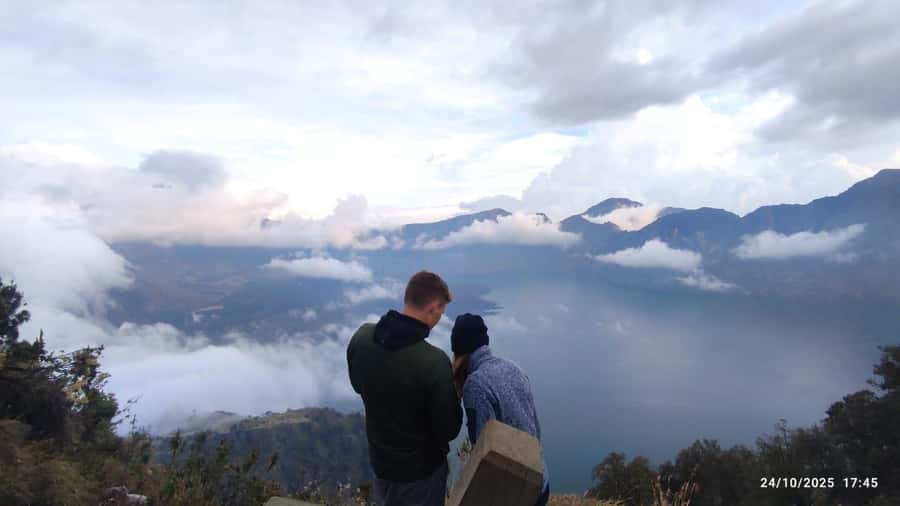
At $224 per person, the price includes several of the expensive or awkward parts of a mountain trek: the Rinjani National Park entrance fee, a trekking guide, porters, cooking and camping equipment, meals, drinking water and transport specified for the trip. Shared equipment includes a tent, toilet tent, sleeping bags, mattresses and a headlamp.
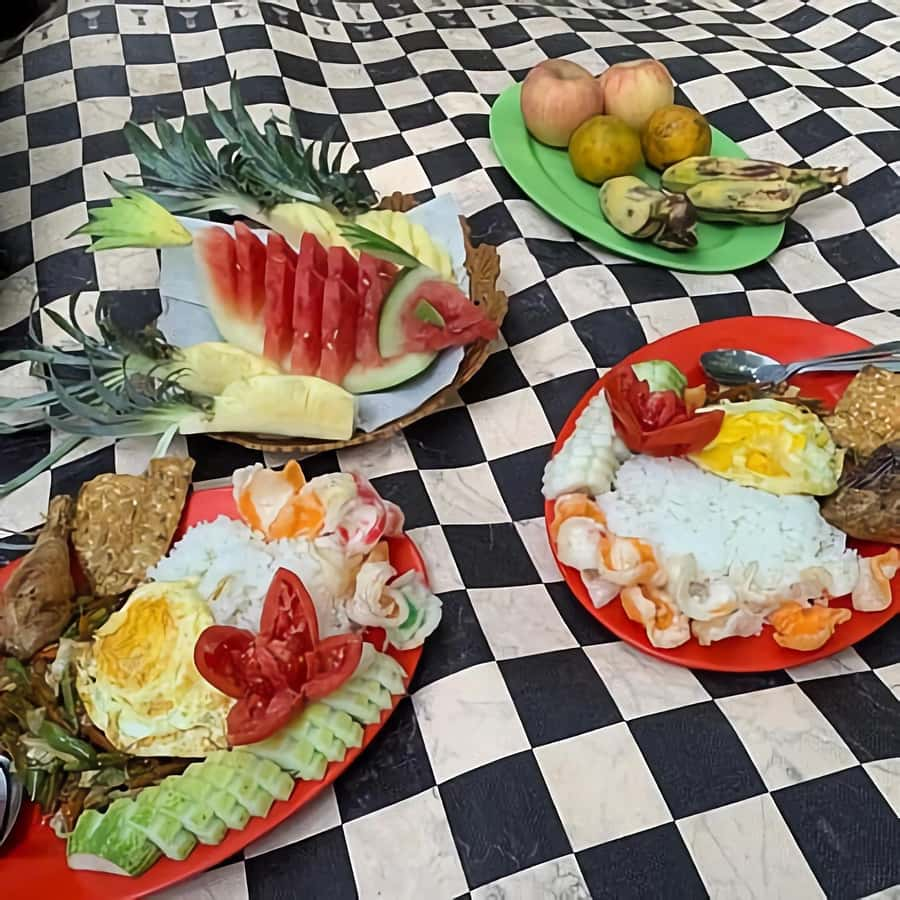
Meals are listed as three lunches, two dinners and two breakfasts, with tea, coffee and fruit such as banana and pineapple also provided. Food matters on this route because you are walking for long hours on three consecutive days. Treks with guides named Acip, Anto and Nas have been associated with well-prepared meals and support from porters, but you should treat those names as examples rather than a promise about your own crew.
The price does not include a small day pack, trekking shoes, a rainjacket, long pants or trekking poles. The packing advice also calls for hiking shoes, rain gear, gloves, a jacket and trekking clothes. A raincoat is listed among the inclusions, so clarify what type is supplied and bring suitable personal rain protection rather than relying on a vague label.
The main value is in the combined support: guide, porters, meals, water, camp gear and listed transfers are bundled into a single three-day trip. You still need to arrive properly equipped, and the price does not make the physical challenge any smaller. If you already own good hiking footwear and clothing, the package may cover many of the less convenient logistics. If you need to buy much of your gear, include that cost in your budget.
Another way to fill a day here:
- Bali: Lempuyang Temple, Tirta Gangga, and Temesi Waterfall …
★ 4.9 · 120 reviews - Bali: Telaga Waja White Water River Guided Rafting & Lunch
★ 4.7 · 88 reviews - Bali: Private Full day trip Customizable tour
★ 5.0 · 40 reviews - East Bali: Lempuyang Temple, Tirta Gangga, and Taman Ujung
★ 4.9 · 35 reviews
The group, guides and pace
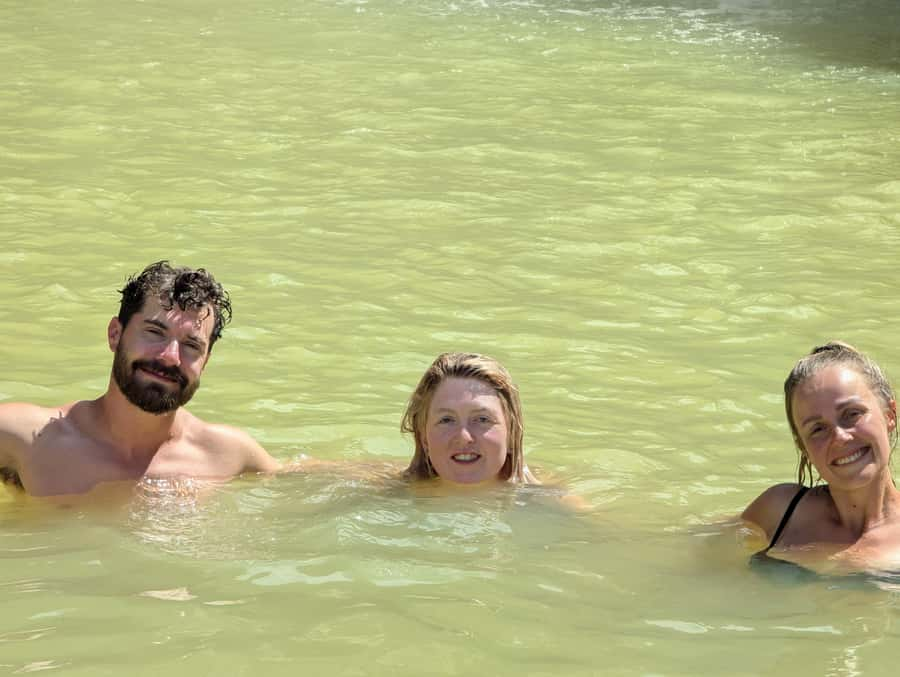
The group limit is 10, which keeps the trek smaller than a large bus-style outing, though it is not a private trek unless you arrange one separately. You will be sharing a guide-led route, camps and meal stops with the rest of your group. Pace matters most on the summit climb, where a fast hiker may want to move quickly while someone else needs a slower rhythm.
The trek has been guided by Acip, Anto and Nas, with porters helping carry cooking and camping equipment. A useful sign of good support is the reported flexibility to match a hiker’s pace and needs, particularly on the harder sections. Still, a guide cannot remove the steep trails or the altitude; speak up early if you feel unwell or need a break.
The porter setup also changes what you carry. You need to bring your personal day pack and essentials, but the team carries shared cooking and camping gear. That is valuable on a route with a summit push, a descent to the lake and a second climb on the same day. Pack light, but do not leave behind the clothing and water protection you need for your own comfort.
Who should take this trek, and what to pack
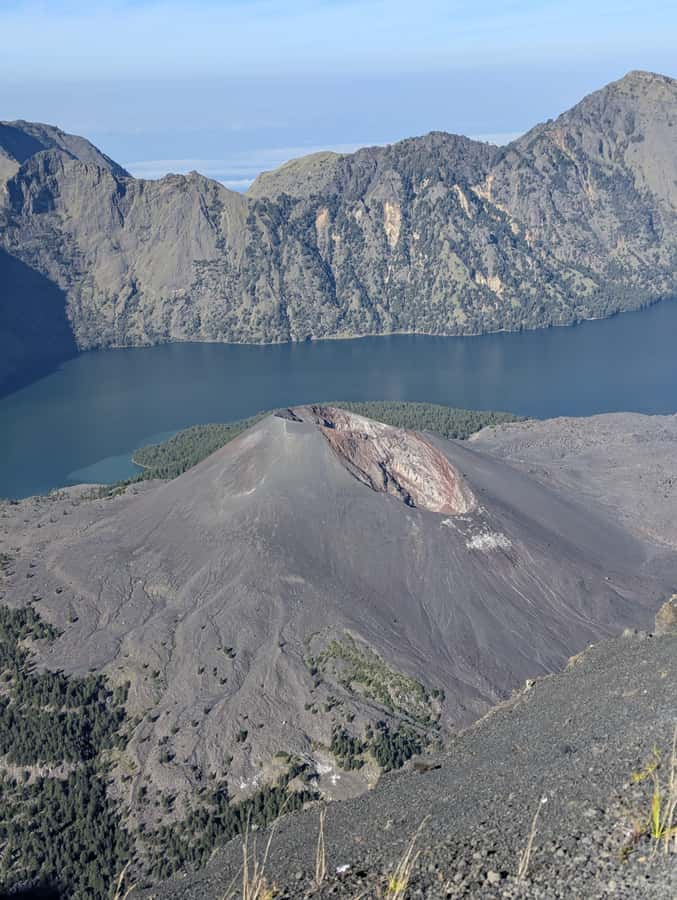
This route suits fit hikers who want the summit, the crater lake and a night on both sides of the mountain in one trip. It is a good choice if you want more than a summit-and-return route and are comfortable with two nights of camping. It is not a gentle introduction to walking: the itinerary includes a steep ascent to the first rim, a pre-dawn summit climb, a long crater descent and a steep climb back out.
The activity is not suitable for children under 7, people over 60 or people with altitude sickness. That age guidance is specific to this trek, so do not assume that a strong level of fitness overrides it. If altitude is a concern, or you are unsure whether the exertion suits you, check before booking.
Bring your passport, sunglasses, sun hat, towel, camera, sunscreen, jacket, gloves, long pants, hiking pants and power bank. The checklist also names binoculars, trekking gear and headphones. Shoes are not included, so bring hiking footwear you have already worn and trust. A small day pack is also your responsibility.
Rain protection deserves special attention. A raincoat appears in the included equipment, while rain gear is also on the bring list and a rainjacket is named as not included. Ask the operator what is supplied and pack your own suitable layer if there is any doubt. Alcohol and drugs are not allowed on the activity.
Booking details worth checking
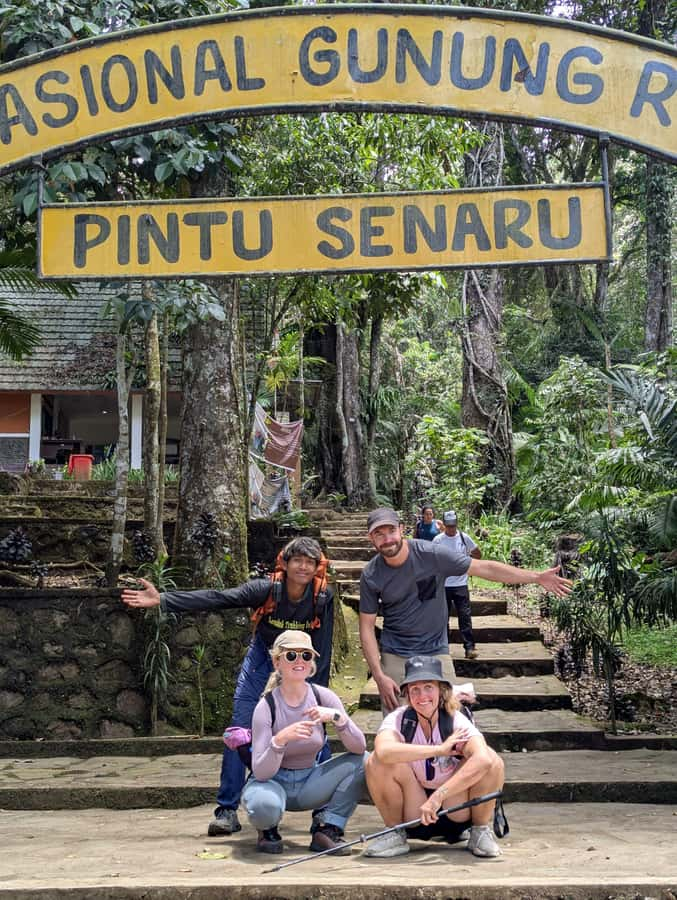
The activity is three days long, with start times subject to availability. Pickup is included, and the directions say to wait at your hotel, but the day-one plan gives a 7am pickup in Senaru. Check your exact pickup point and time, especially if you are not staying in Senaru.
The booking terms allow free cancellation up to 24 hours in advance for a full refund, and reserve-now, pay-later is offered. You should still double-check the details before booking, especially the pickup location, gear supplied and which guide will lead your group. The tour is offered in English and Indonesian.
Should you book the Rinjani trek?
Book this trip if you want the full three-day mountain experience: a summit sunrise, a crater-lake stop with hot springs, two nights of camping and a descent through forest. The combination of porter support, meals, camping gear and listed transfers makes $224 a practical package price, particularly if you value having the core logistics organized.
Skip it if you want a relaxed hike, are not prepared for a very early start or do not want to manage steep, strenuous days at altitude. Before paying, check your pickup and drop-off plan, confirm what rain protection is supplied and make sure your footwear and clothing are ready. The summit view is the draw, but the right preparation is what makes the route manageable.
FAQ
How long is the Mount Rinjani trek?
The trek lasts three days and two nights. It includes a summit attempt, a stop at Lake Segara Anak and a descent to Senaru on the final day.
How high is the summit?
Mount Rinjani’s summit is 3,726 meters high. The first campsite is at Sembalun Crater Rim, at 2,639 meters.
What time does the summit climb start?
The group wakes at about 3am for a light breakfast before starting the climb. One reported trek began at 2:20am, so confirm the exact schedule with the operator.
Are meals and camping equipment included?
Yes. The package includes meals, drinking water, a tent, toilet tent, sleeping bags, mattresses and a headlamp. Food includes three lunches, two dinners and two breakfasts, along with tea, coffee and fruit.
What should I bring?
Bring a small day pack, hiking shoes, long pants, rain protection, gloves, a jacket, sun protection, a towel and a power bank. A passport is also on the packing list. Trekking shoes, a rainjacket, long pants and a day pack are not included.
Is the trek suitable for children or older adults?
It is listed as unsuitable for children under 7 and people over 60. It is also not suitable for people with altitude sickness.
What languages are the guides available in?
The guides speak English and Indonesian. The group is limited to 10 participants.
Fresh listings around Karangasem
- The Gate of Heaven Tour by VW Safari Classic Car★ 3.7 · 3 reviews
- Sidemen Bali Private Rafting on Telaga Waja River With Lunch★ 4.9 · 31 reviews
- Sidemen: Rice Terraces, Waterfall, & Village Tour★ 5.0 · 5 reviews
- Bali: The Gate of Haven Trip Private Tour, Luxury Car★ 4.9 · 10 reviews
- New Route: The Shortcut Route Up Mount Agung’s Peak 3142M★ 4.8 · 6 reviews
- Mount Abang Trekking★ 5.0 · 5 reviews
- Lempuyang Temple: Gate of Heaven★ 5.0 · 3 reviews
- Lahangan Sweet, Tirta Gangga & Virgin Beach★ 5.0 · 6 reviews
Karangasem Tours, compared.
Lempuyang Temple, Tirta Gangga, and Temesi Waterfall …
Read our review →
Telaga Waja White Water River Guided Rafting & Lunch
Read our review →
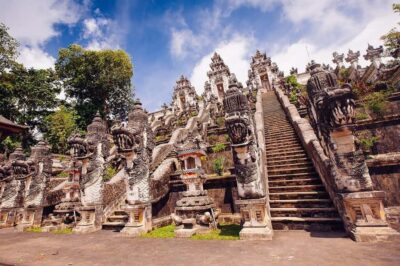
East Bali: Lempuyang Temple, Tirta Gangga, and Taman Ujung
Read our review →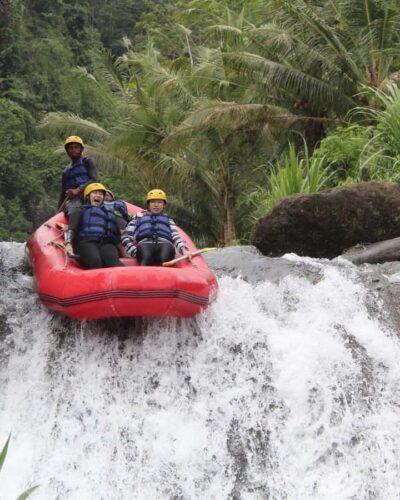
Sidemen Bali Private Rafting on Telaga Waja River With Lunch
Read our review →Browse the lists this tour appears in